
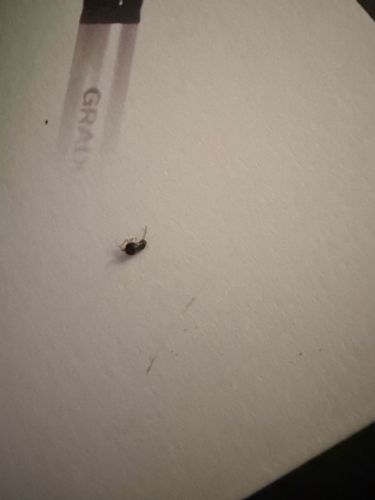
Ghost ant
Tapinoma melanocephalum
- Order & Family
- Hymenoptera, Formicidae
- Size
- 1.3 - 1.5 mm (0.05 - 0.06 inches)
Natural Habitat
Tropical and subtropical regions worldwide. Indoors, they prefer moist environments, often found in wall voids, behind baseboards, in potted plants, and under loose bark or debris outdoors.
Diet & Feeding
Omnivorous. Feeds on honeydew produced by aphids and mealybugs, sweets, other insects, and household foods.
Behavior Patterns
Ghost ants are known for their small size and pale, translucent legs and abdomen, which makes them appear 'ghost-like'. They form moderate to large colonies with multiple queens and often bud new colonies. They forage in long trails and can move quickly and erratically. They are a common nuisance pest in homes.
Risks & Benefits
Potential risks include contamination of food and sterile equipment. While not known to transmit diseases, their presence can be indicative of unsanitary conditions. They are primarily a nuisance pest. They offer little to no direct benefit to humans, but as part of an ecosystem, they can contribute to nutrient cycling and predating on some small insects.