
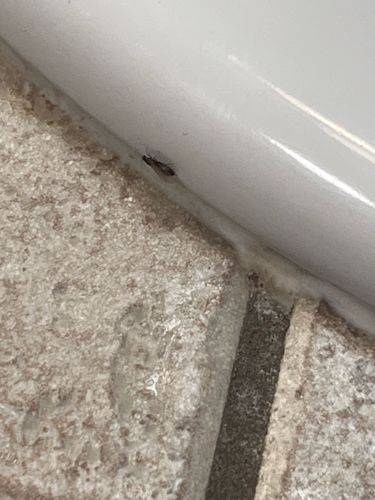
Drain Fly / Moth Fly
Psychodidae (family group)
- Order & Family
- Order: Diptera, Family: Psychodidae
- Size
- Generally small, adults range from 1 to 5 mm (0.04 to 0.2 inches) in length.
Natural Habitat
Drain flies are commonly found in moist, organic-rich environments such as bathroom drains, kitchen sinks, sewage treatment plants, septic tanks, and areas with standing water and decaying organic material. Indoors, they are an indicator of plumbing issues or excessive moisture.
Diet & Feeding
Adult drain flies feed on nectar and polluted water. Larvae are decomposers, feeding on decaying organic matter, fungi, algae, and microorganisms found in the biofilm of drains and other wet environments.
Behavior Patterns
Psychodidae, especially the subfamily Psychodinae (which includes drain flies), are typically found in damp environments. Adults are weak fliers and often stay close to their breeding sites. Larvae develop in the gelatinous film found in drains, sewers, and other perpetually wet areas, feeding on organic matter. Adults are most active at night.
Risks & Benefits
Risks: Primarily a nuisance pest, drain flies do not bite or transmit diseases directly to humans. However, large infestations can indicate sanitation issues. In rare cases, accidental inhalation of very large numbers of dead drain flies or their fragments can trigger allergic reactions in sensitive individuals, or cause bronchial asthma. Benefits: In nature, their larvae contribute to the decomposition of organic matter.