
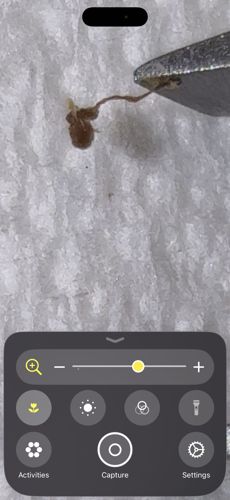
Dog Flea (or Cat Flea)
Ctenocephalides canis (or Ctenocephalides felis)
- Order & Family
- Order: Siphonaptera, Family: Pulicidae
- Size
- 1mm to 2.5mm in length
Natural Habitat
Found globally in domestic environments, specifically living on the bodies of host animals (dogs, cats, humans) and in their bedding/carpets.
Diet & Feeding
Obligate hematophages; adults feed exclusively on the blood of mammals and birds. Larvae feed on organic debris and adult flea feces ('flea dirt').
Behavior Patterns
Flightless but capable of jumping long distances. They undergo complete metamorphosis (egg, larva, pupa, adult). They are most active in warm, humid conditions and remain on the host to mate and feed.
Risks & Benefits
Risks include skin irritation (flea allergy dermatitis), transmission of tapeworms (Dipylidium caninum), and potential transmission of bacterial diseases such as murine typhus. They offer no known benefits to the ecosystem or humans.