
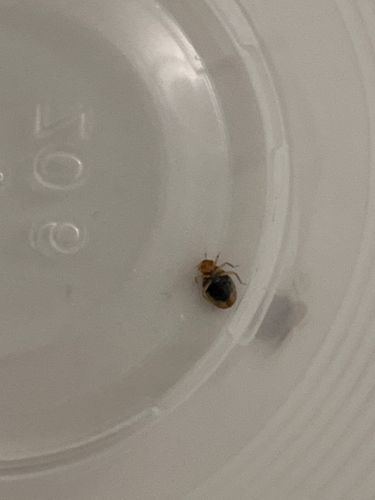
Bed Bug
Cimex lectularius
- Order & Family
- Hemiptera, Cimicidae
- Size
- 4-5 mm (adults), about the size of an apple seed.
Natural Habitat
Bed bugs typically live in mattresses, bed frames, box springs, crevices, and other furniture near sleeping or resting areas. They also hide in cracks in walls, under wallpaper, behind electrical outlets, and in clutter.
Diet & Feeding
Strictly hematophagous, meaning they feed on blood. Humans are their preferred host, but they will also feed on other warm-blooded animals if humans are unavailable.
Behavior Patterns
Nocturnal; they emerge from hiding spots to feed on resting hosts, usually in the early hours of the morning. They are attracted to carbon dioxide and body heat. They are highly resilient and can survive for several months without feeding.
Risks & Benefits
Risks: Bed bug bites can cause itchy welts, skin irritation, and in some individuals, allergic reactions. While they are not known to transmit diseases, their presence can lead to significant psychological distress, sleep deprivation, and secondary skin infections due to scratching. Benefits: None to humans or the ecosystem; they are considered a pest species.