
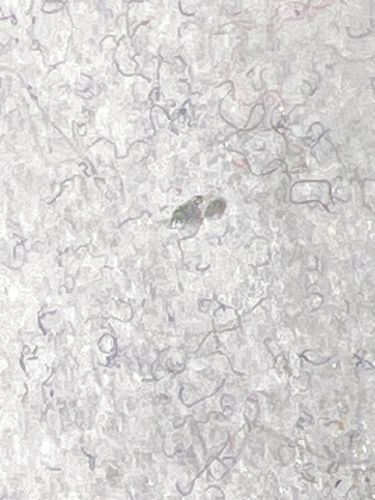
Fungus Gnat
Bradysia spp. (though various genera exist in the Sciaridae and Mycetophilidae families)
- Order & Family
- Diptera (True Flies), Families Sciaridae and Mycetophilidae
- Size
- 2-8 mm (adults)
Natural Habitat
Damp, rich soil, especially in potted plants indoors; can also be found outdoors in decaying organic matter and damp soil. The image appears to be on a light-colored, possibly fibrous surface, but the insect itself is typical of a fungus gnat.
Diet & Feeding
Larvae feed on fungi and decaying organic matter in the soil, and sometimes on plant roots. Adult fungus gnats do not typically feed.
Behavior Patterns
Adults are often seen flying around houseplants or gathering near windows. They are weak flyers. Larvae live in the soil. Their presence often indicates overwatering of plants or high humidity. They are attracted to light.
Risks & Benefits
Potential risks include damage to plant roots by larvae, especially in seedlings and young plants, which can stunt growth or lead to plant death. They can also be a nuisance indoors due to their presence. Generally, they offer no direct benefits to humans, though in nature, their larvae contribute to decomposition.