
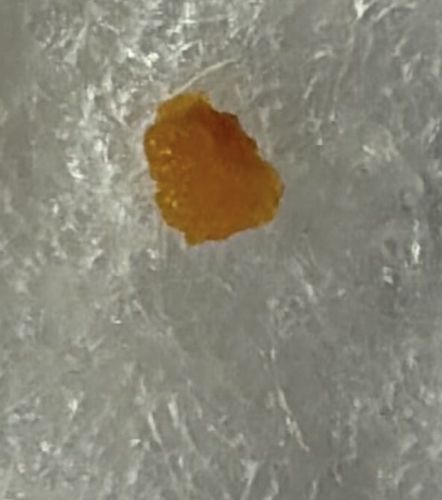
Community identification
Lace Bug Nymph (or exuvia)
Family Tingidae (genus unknown)
- Order & Family
- Order Hemiptera, Family Tingidae
- Size
- 1.5 mm to 4 mm
Natural Habitat
Typically found on the undersides of leaves of various host plants including azaleas, oaks, sycamores, and many ornamentals.
Diet & Feeding
Herbivorous; they use piercing-sucking mouthparts to feed on plant sap from the underside of leaves, causing stippling or chlorosis.
Behavior Patterns
Nymphs are often covered in spines or dark secretions and are relatively sedentary. They undergo several instars before molting into winged adults. They produce dark, varnish-like waste spots on the foliage they inhabit.
Risks & Benefits
They are considered garden pests that can cause significant aesthetic damage to plants but pose no direct risk or danger to humans. They play a role as a food source for predatory insects like lady beetles and lacewings.