
Community identification
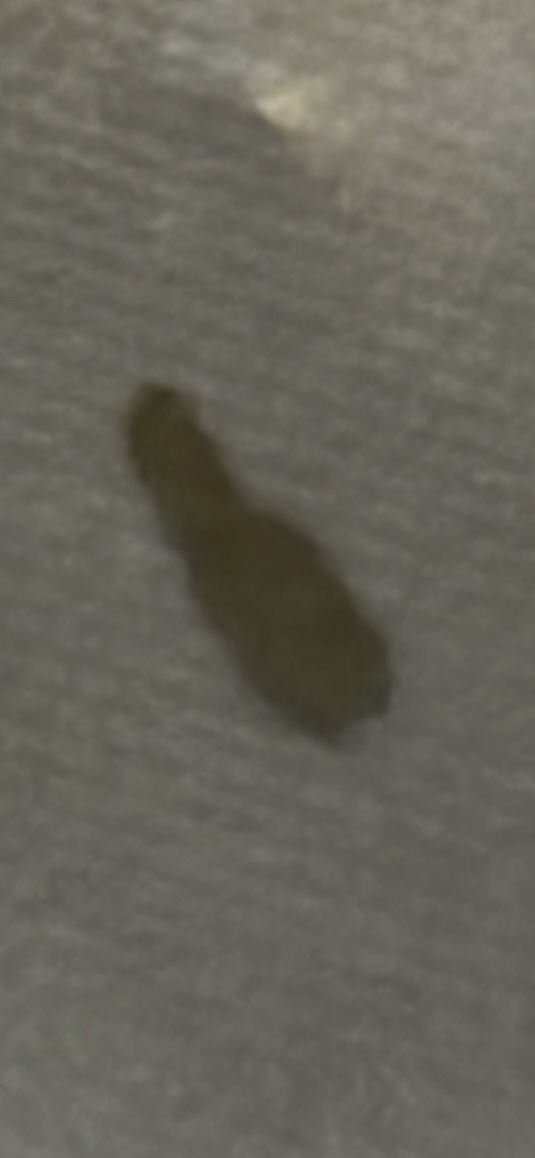
Case-bearing clothes moth (larva)
Tinea pellionella
- Order & Family
- Lepidoptera: Tineidae
- Size
- 8 to 12 mm in length
Natural Habitat
Indoor environments, particularly in closets, drawers, or areas with accumulated dust and natural fibers.
Diet & Feeding
Natural fibers including wool, silk, fur, hair, and feathers; they also consume dead insects and dried plant material.
Behavior Patterns
The larva constructs a protective silken case covered with fibers from its food source, which it carries while moving. They prefer dark, undisturbed areas and can remain in the larval stage for several months depending on temperature and food availability.
Risks & Benefits
They are a household pest that can cause significant damage to clothing, upholstery, and carpets. They pose no direct health risk to humans but can be economically damaging to textiles.