
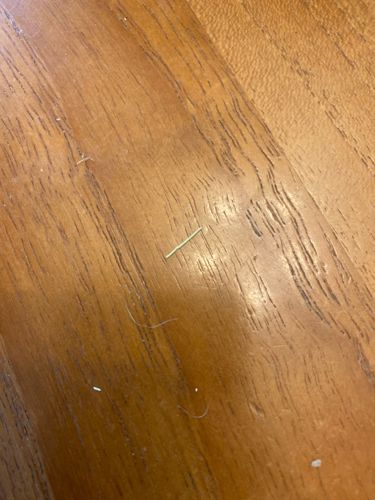
Community identification
Pinworm
Enterobius vermicularis
- Order & Family
- Order: Oxyurida, Family: Oxyuridae
- Size
- Females are approximately 8–13 mm long; males are smaller at 2–5 mm.
Natural Habitat
The human gastrointestinal tract, primarily the large intestine and rectum.
Diet & Feeding
Inorganic and organic material within the human gut contents.
Behavior Patterns
Nocturnal migration; female worms travel to the perianal area at night to deposit eggs, which can cause intense itching (pruritus ani).
Risks & Benefits
Risks include anal itching, disturbed sleep, and secondary skin infections from scratching. They are highly contagious but generally not dangerous to long-term health.