
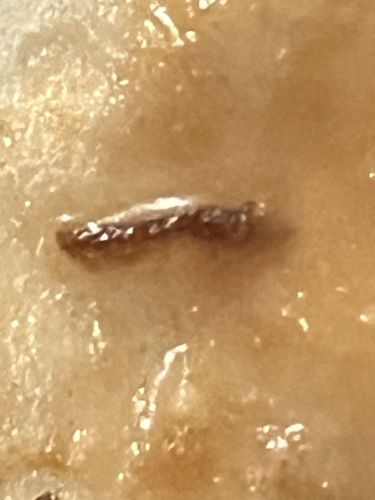
Community identification
Fruit fly larva
Drosophila melanogaster
- Order & Family
- Order: Diptera, Family: Drosophilidae
- Size
- 2 mm to 4 mm in length
Natural Habitat
Found globally in close proximity to human dwellings, specifically in rotting fruit, compost, or damp organic matter.
Diet & Feeding
Larvae feed on microorganisms (primarily yeast) that grow on decaying organic matter and fermenting fruit.
Behavior Patterns
Larvae undergo three instars (growth stages) before pupating; they are extremely fast-growing and tend to tunnel into their food source to feed constantly.
Risks & Benefits
While they do not bite or sting humans, they are considered a major pest in homes and food facilities as they can contaminate food with pathogenic bacteria; however, they are invaluable to science as a model organism for genetic research.