
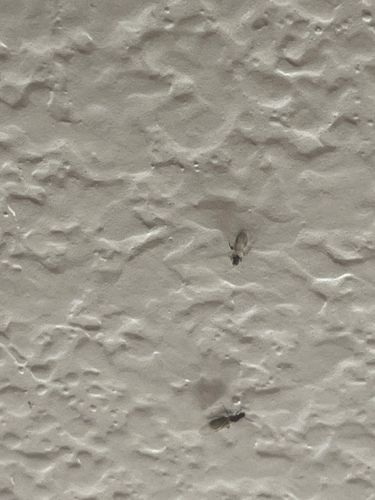
Winged Termite (Alate)
Various species depending on region, e.g., Reticulitermes spp. (subterranean termites), Kalotermes spp. or Incisitermes spp. (drywood termites). Without more detailed images or geographic information, a specific species cannot be determined.
- Order & Family
- Order: Blattodea (formerly Isoptera), Family: Rhinotermitidae (for subterranean termites, which are common), or Kalotermitidae (for drywood termites), among others.
- Size
- Typically 0.25 to 0.5 inches (6 to 12 mm) including wings. Their bodies are usually slender and dark-colored, with two pairs of long, equal-sized wings that are often clear or slightly smoky.
Natural Habitat
Termites live in colonies in soil, wood, or within structures. Winged termites are typically seen when they emerge from these colonies to swarm, often appearing near windows or light sources during their dispersal flights. They require moisture to survive.
Diet & Feeding
Termites, including winged termites, primarily feed on cellulose-based materials such as wood, paper, fabric, and other plant-based products. They digest cellulose with the help of symbiotic microorganisms in their gut.
Behavior Patterns
Alates are reproductive individuals that fly out from established colonies during specific times of the year (often after rain or during warm, humid conditions) to mate and establish new colonies. They are attracted to light and can be found indoors. Once they mate, they shed their wings and attempt to find a suitable location to start a new nest. They are social insects that live in complex colonies.
Risks & Benefits
Risks: Termites, especially subterranean and drywood termites, are significant structural pests that can cause extensive damage to homes and other wooden structures. Their feeding activity can compromise the integrity of buildings, leading to costly repairs. They are not known to bite or carry diseases harmful to humans. Benefits: In natural ecosystems, termites play an important role as decomposers, breaking down dead wood and other plant matter, which helps in nutrient cycling and soil aeration.