
Community identification
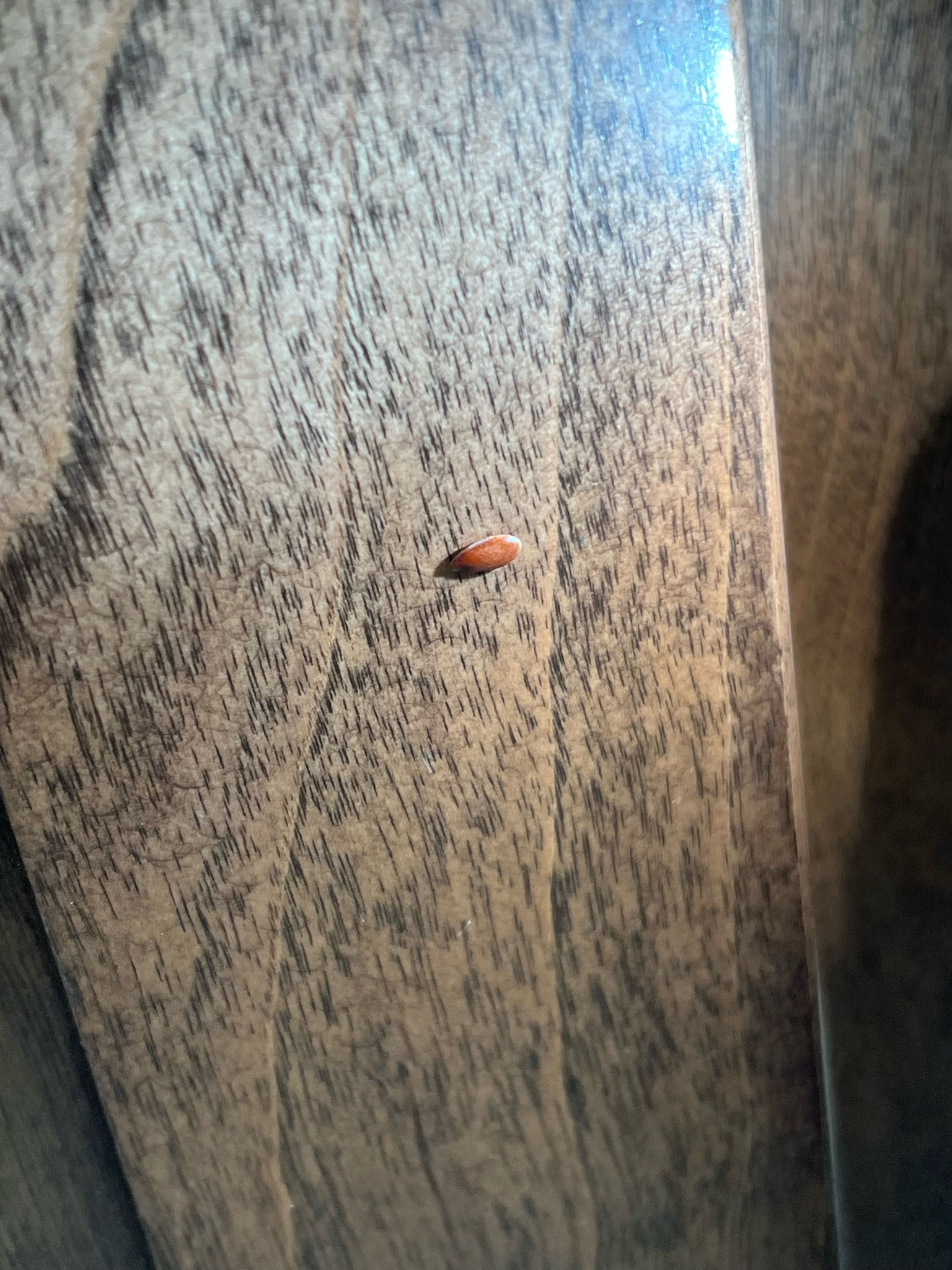
Fly Puparium (Pupal stage)
Order Diptera (Family often Muscidae or Calliphoridae)
- Order & Family
- Order Diptera, Family varies (often House flies or Blow flies)
- Size
- 3 to 10 mm in length
Natural Habitat
Found indoors or outdoors near decomposition, organic waste, trash bins, or soiled pet bedding.
Diet & Feeding
In this pupal stage, it does not eat; as a larva (maggot), it consumes decaying organic matter, feces, or rotting food.
Behavior Patterns
This is the non-mobile transformation stage between a larva and an adult fly. The outer larval skin hardens and turns brown/reddish to protect the developing fly inside.
Risks & Benefits
Generally harmless as a pupa, but indicates a nearby breeding site. High populations can be a nuisance and potentially spread bacteria or pathogens to food surfaces once the adult fly emerges.