
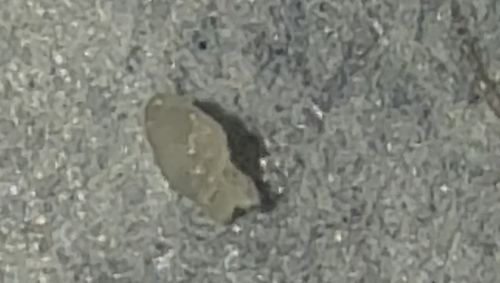
Household Casebearer (often confused with Plaster Bagworm)
Phereoeca uterella (or sometimes Phereoeca allutella)
- Order & Family
- Order: Lepidoptera, Family: Tineidae
- Size
- The case is typically 8-13 mm (approx. 0.3-0.5 inches) in length.
Natural Habitat
Commonly found inside homes, especially in humid climates like Florida or tropical regions. They frequent walls, floors, underneath furniture, and in closets, often drawn to stucco, spiderwebs, or wool fibers.
Diet & Feeding
The larvae feed on old spider webs, wool, hair, lint, dead insect parts, and miscellaneous organic debris found in dust.
Behavior Patterns
The larva constructs a flattened, pumpkin-seed-shaped protective case out of silk and debris (sand, soil, fibers). It drags this case around wherever it goes. The larva can turn around inside the case to feed from either end. Before pupation, it typically climbs walls or vertical surfaces to attach its case.
Risks & Benefits
Generally considered a nuisance pest rather than dangerous. They do not bite or sting humans. However, large infestations can damage wool clothing, rugs, or fabrics. They are actually somewhat beneficial as cleaners of cobwebs and dead insects, but their presence indicates dust accumulation.