
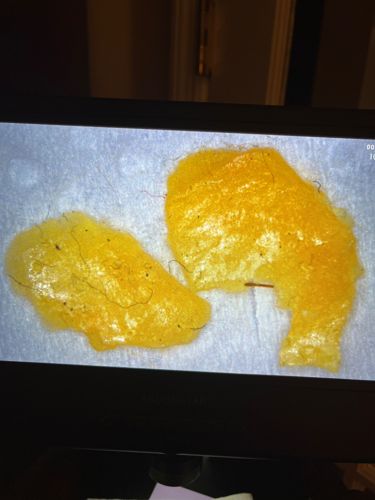
Mold or Fungi (specifically a slime mold or similar growth)
Not identifiable from image; likely a species within Mycetozoa or similar fungal groups
- Order & Family
- Kingdom Fungi (or Protista for slime molds)
- Size
- Variable, from microscopic to several square feet, depending on species and growth stage
Natural Habitat
Damp, decaying organic matter; can grow on various surfaces indoors and outdoors if conditions are right (moisture, nutrients)
Diet & Feeding
Feeds on bacteria, yeast, and other microscopic organisms, often by engulfing them (phagocytosis) in the case of slime molds, or by secreting digestive enzymes and absorbing nutrients in the case of true fungi.
Behavior Patterns
Grows by spreading over surfaces; may change shape and color during its life cycle. Slime molds, for example, can move and form a plasmodium before sporulating.
Risks & Benefits
Potential risks include triggering allergies or respiratory issues in sensitive individuals, deteriorating surfaces it grows on, or indicating underlying moisture problems. Generally, they are beneficial in ecosystems as decomposers, breaking down organic material and recycling nutrients.