
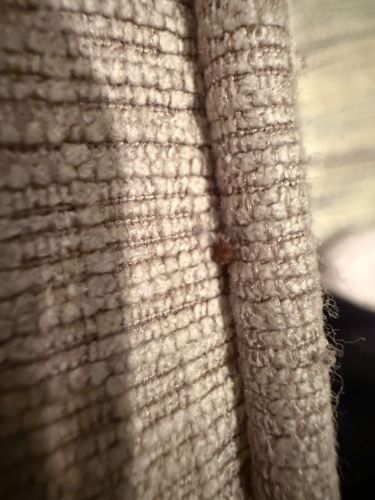
Flea (likely Cat flea or Dog flea)
Ctenocephalides felis (Cat flea) or Ctenocephalides canis (Dog flea)
- Order & Family
- Siphonaptera, Pulicidae
- Size
- 1 to 3 mm (adults)
Natural Habitat
Fleas primarily live on their warm-blooded hosts (mammals, especially cats, dogs, and other pets, and sometimes humans). They also reside in the host's living environment such as carpets, bedding, cracks in floors, and furniture where eggs, larvae, and pupae develop.
Diet & Feeding
Adult fleas are obligate hematophagous parasites, meaning they feed exclusively on the blood of their hosts. Larvae feed on organic debris, including adult flea feces (which contains digested blood).
Behavior Patterns
Fleas are highly agile, capable of jumping impressive distances relative to their size due to specialized legs. They are wingless and have laterally flattened bodies, allowing them to move easily through fur or hair. They typically cycle through egg, larva, pupa, and adult stages, with adults emerging from pupae when vibrations or heat indicate a potential host is nearby. They are known for rapid reproduction.
Risks & Benefits
Risks include causing intense itching, skin irritation, allergic reactions (flea allergy dermatitis) in pets and humans, and transmitting diseases such as Bartonellosis (cat scratch disease), murine typhus, and tapeworms (Dipylidium caninum) to pets and humans. There are no known benefits of fleas to humans or the ecosystem, though they are a food source for some predators.