
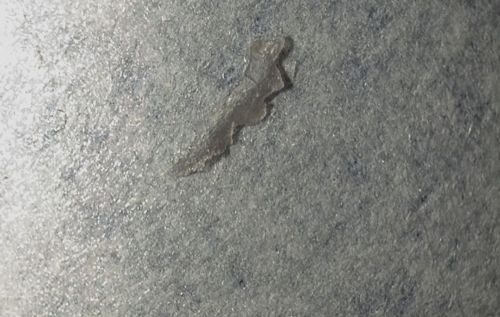
Plaster Bagworm (also known as Household Casebearer)
Phereoeca uterella
- Order & Family
- Order: Lepidoptera, Family: Tineidae (Clothes Moths)
- Size
- The larval case is typically 8 to 13 mm (approximately 0.3 to 0.5 inches) long.
Natural Habitat
Typically found indoors in warm, humid climates. They frequent walls (especially stucco or plaster), baseboards, closets, garages, and underneath furniture.
Diet & Feeding
They represent detritivores and are keratophagous. Their diet consists of old spider webs, dead insects, hair, lint, dust, and occasionally natural fibers like wool.
Behavior Patterns
The larva constructs a flattened, pumpkin-seed-shaped case made of silk, which it covers with sand, dust, paint fragments, and other debris for camouflage. It drags this case along as it moves and lives inside it until pupation. The case is open at both ends so the larva can turn around inside.
Risks & Benefits
Risks: Generally considered a nuisance pest rather than a danger. They do not bite or sting humans or pets. However, in large numbers, they can cause minor damage to wool, rugs, or clothing. Benefits: They clean up dead insects and old cobwebs in the home.