
Community identification
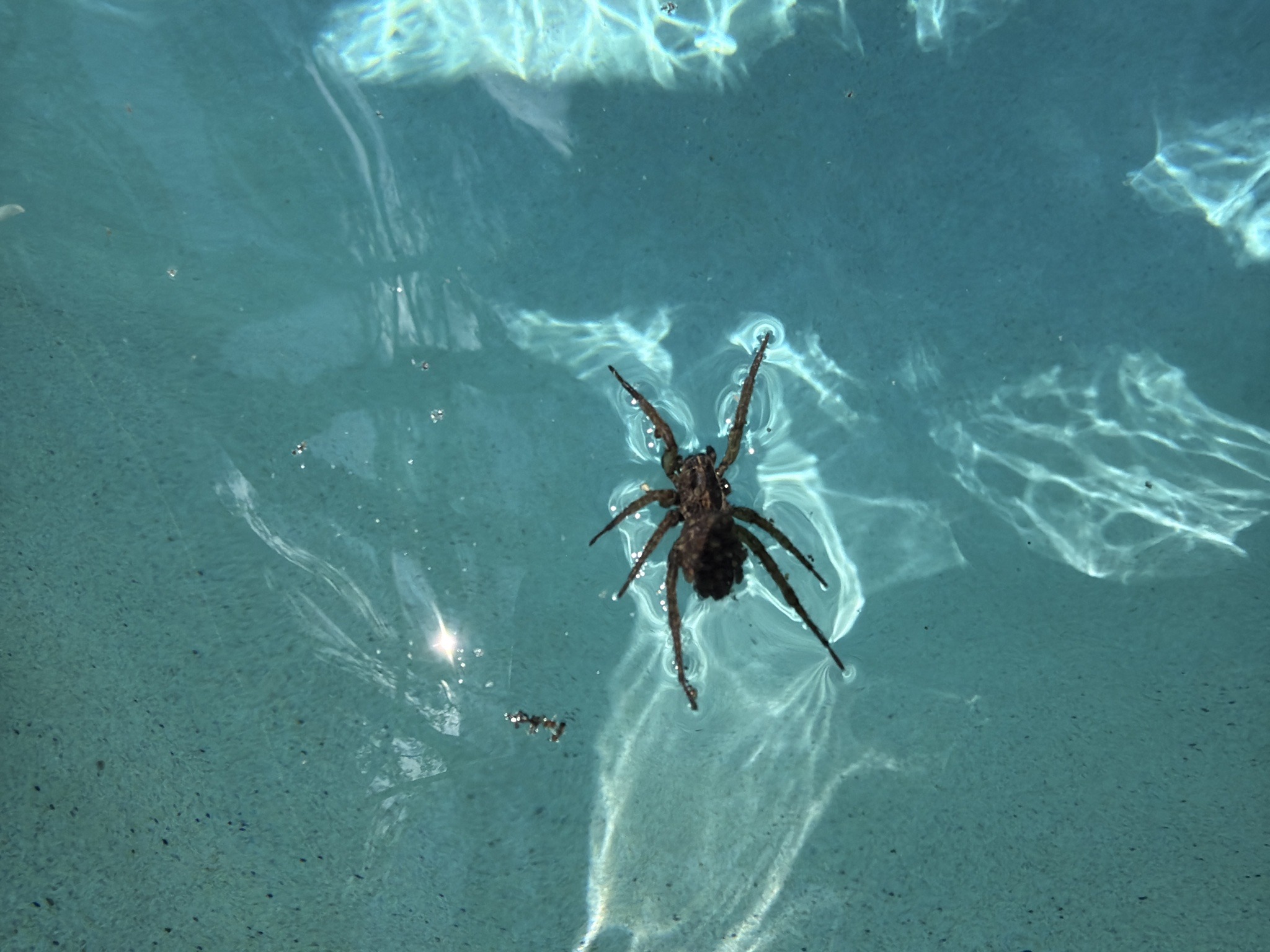
Wolf Spider
Family Lycosidae
- Order & Family
- Order Araneae, Family Lycosidae
- Size
- 10 to 35 mm (0.4 to 1.38 inches) in body length, depending on the species.
Natural Habitat
Found in a wide range of habitats including grasslands, woodlands, gardens, and sometimes found near water or inside homes.
Diet & Feeding
Carnivorous; they primarily eat insects and other small invertebrates. They are active hunters that do not spin webs to catch prey.
Behavior Patterns
Wolf spiders are solitary hunters with excellent eyesight. Females are known for carrying their egg sacs attached to their spinnerets and later carrying their spiderlings on their backs. They are primarily nocturnal.
Risks & Benefits
They are beneficial to the ecosystem as natural pest controllers. While they are venomous, their bite is generally not dangerous to humans unless there is an allergic reaction; they typically only bite if provoked or handled.