
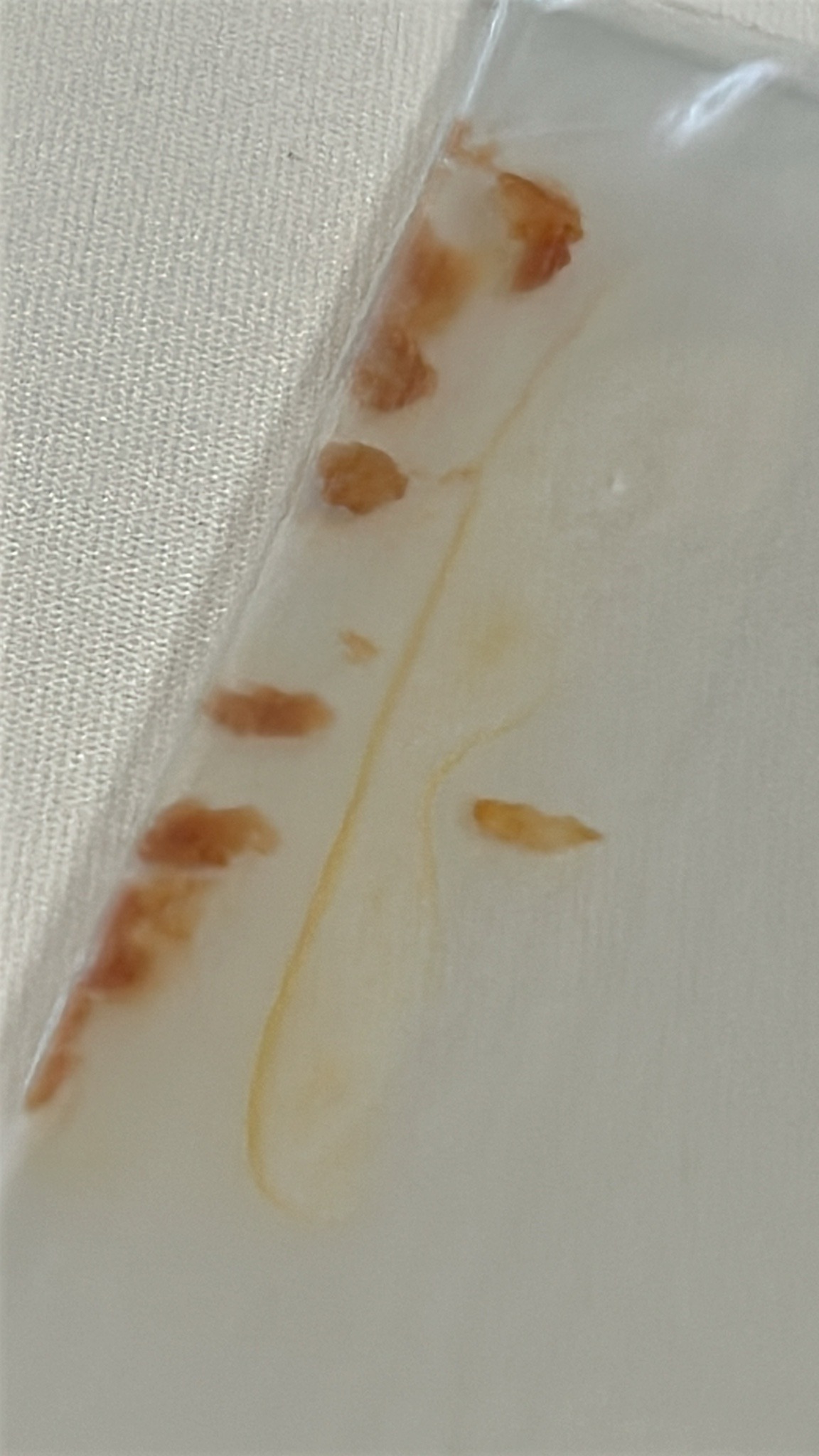
Bed Bug
Cimex lectularius
- Order & Family
- Order Hemiptera, Family Cimicidae
- Size
- 1mm (nymphs) to 5-7mm (adults); they are roughly the size and shape of an apple seed when fully grown.
Natural Habitat
Found globally in human dwellings, typically nesting in mattress seams, bed frames, cracks/crevices, and behind wallpaper or furniture near sleeping areas.
Diet & Feeding
Obligate hematophages, meaning they feed exclusively on the blood of warm-blooded animals, primarily humans. They are attracted to body heat and carbon dioxide.
Behavior Patterns
Primarily nocturnal insects that hide during the day and emerge at night to feed. They undergo incomplete metamorphosis (egg, nymph stages, adult) and require a blood meal to molt into the next stage.
Risks & Benefits
They do not known to transmit diseases to humans, but their bites can cause itchy red welts, allergic reactions, insomnia, and psychological distress. They are considered high-priority pests but provide no known benefits to the indoor ecosystem.