
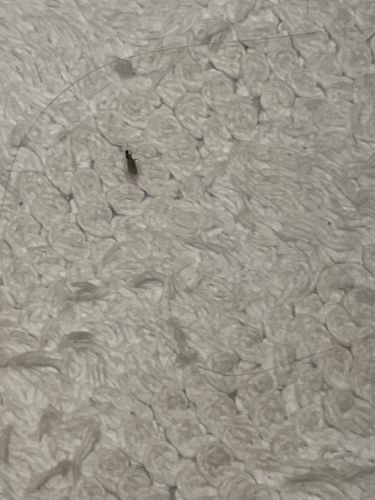
Flea
Diverse, common household species include Ctenocephalides felis (cat flea) and Ctenocephalides canis (dog flea)
- Order & Family
- Order Siphonaptera, Family Pulicidae (common fleas, e.g., Ctenocephalides spp.)
- Size
- 1.5 mm to 4 mm (0.06 to 0.16 inches) in length
Natural Habitat
Fleas are commonly found in environments associated with their hosts, such as pet bedding, carpets, rugs, upholstered furniture, and cracks in floors. They thrive in warm and humid conditions.
Diet & Feeding
Adult fleas feed on the blood of mammals and birds (hematophagous). Larvae feed on organic detritus, including adult flea faeces (dried blood).
Behavior Patterns
Fleas are known for their jumping ability, which allows them to easily move between hosts. They have a complete metamorphosis (egg, larva, pupa, adult). Adults are ectoparasites, meaning they live on the outside of their hosts and feed on blood. Larvae feed on organic debris, including adult flea feces.
Risks & Benefits
Risks: Fleas are significant pests for pets, causing intense itching, skin irritation, allergic reactions (flea allergy dermatitis), and secondary skin infections. They can transmit diseases to humans and animals, including tapeworms (Dipylidium caninum) and, historically, bubonic plague (Yersinia pestis) or murine typhus (Rickettsia typhi). They rarely transmit diseases to humans in modern developed countries. Benefits: In natural ecosystems, fleas can be a food source for some predators, but their parasitic nature largely outweighs any perceived benefits to the environment.