
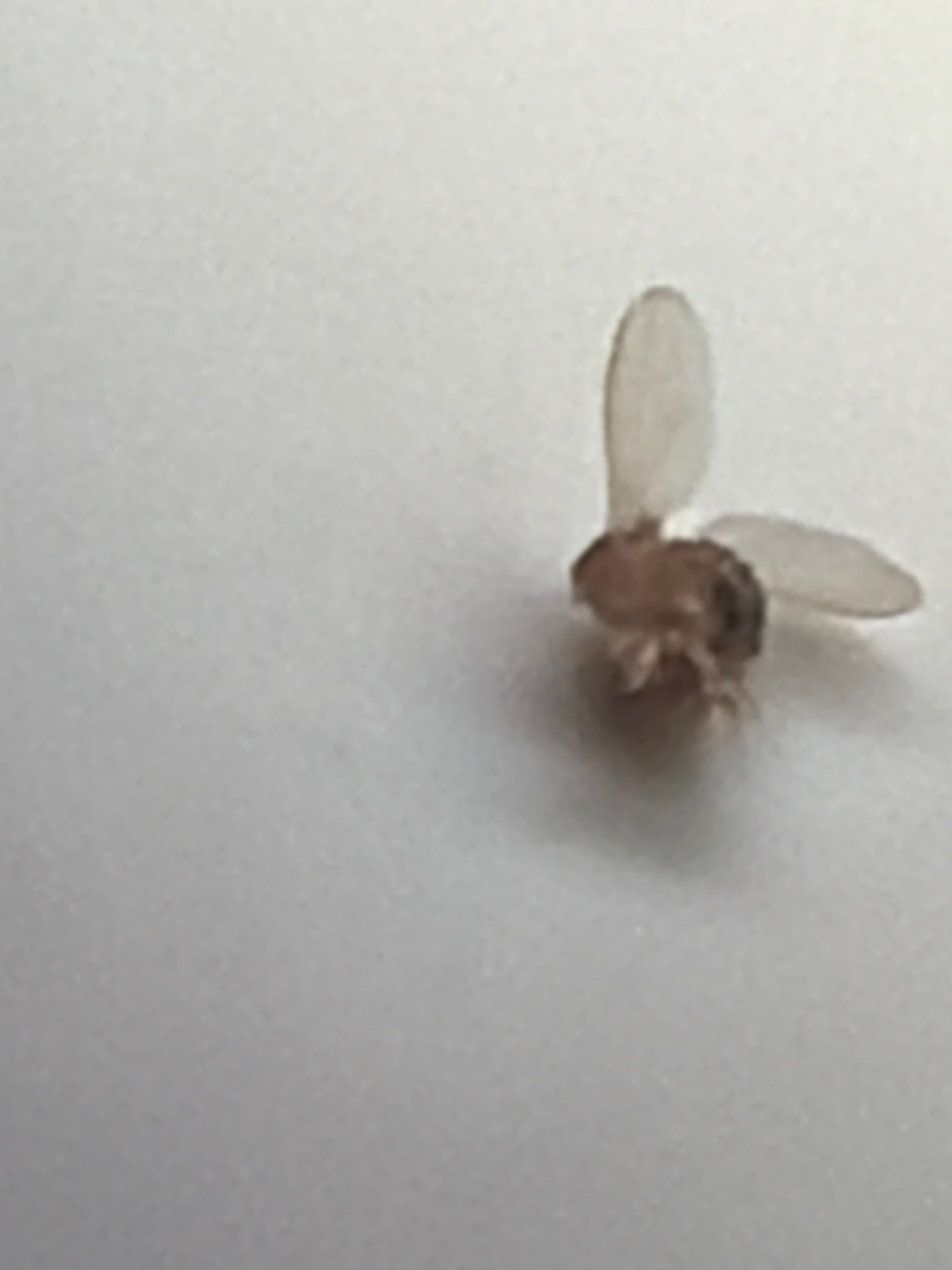
Community identification
Drain Fly
Psychodidae
- Order & Family
- Diptera (Order), Psychodidae (Family)
- Size
- 2 to 5 mm (0.08 to 0.20 inches)
Natural Habitat
Damp areas containing nutrient-rich organic material, such as sewage systems, bathroom drains, kitchen sinks, and compost piles.
Diet & Feeding
Larvae feed on the gelatinous film (biofilm) of organic matter, algae, bacteria, and fungi found in drains; adults primarily consume nectar or polluted water.
Behavior Patterns
They are weak fliers and are often seen resting on walls near drains. They are most active at night. Their lifecycle is short, typically completing from egg to adult in 7 to 28 days.
Risks & Benefits
They do not bite or transmit human diseases directly; however, they can be a nuisance and potentially transport bacteria from drains onto food surfaces. In nature, they benefit the ecosystem by breaking down organic waste.