
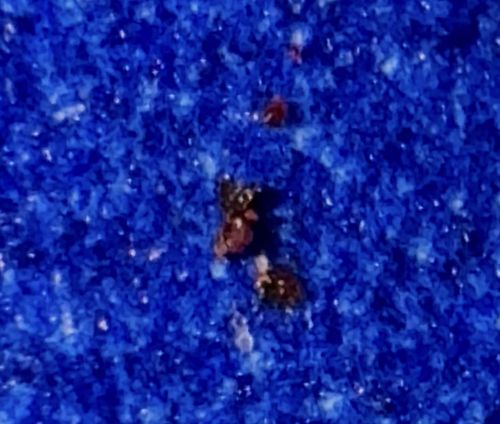
Bed Bug
Cimex lectularius
- Order & Family
- Hemiptera (True Bugs); Family: Cimicidae
- Size
- Adults are approximately 4–5 mm long (about the size of an apple seed); Nymphs range from 1.5 mm to 4.5 mm.
Natural Habitat
Indoor environments, specifically cracks and crevices near sleeping areas such as mattress seams, bed frames, box springs, headboards, and behind wallpaper or baseboards.
Diet & Feeding
Hematophagous (blood-feeding); they feed exclusively on the blood of warm-blooded animals, preferring humans.
Behavior Patterns
Nocturnal and elusive, coming out at night to feed on sleeping hosts. They tend to cluster together in harborage areas and leave behind identifying markers like fecal spots (small black dots), shed skins, and eggs.
Risks & Benefits
Risks include itchy red bites that can cause allergic reactions, secondary skin infections from scratching, significant anxiety, and sleep loss. They are notoriously difficult and expensive to eradicate. They are not currently known to be effective vectors for transmitting diseases to humans.