
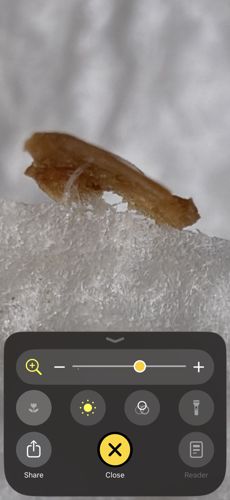
Community identification
Dog Flea / Cat Flea
Ctenocephalides canis / Ctenocephalides felis
- Order & Family
- Order: Siphonaptera; Family: Pulicidae
- Size
- 1.5 mm to 4 mm in length
Natural Habitat
Indoor environments, carpets, bedding, and the coats of mammalian hosts, particularly pets like dogs and cats.
Diet & Feeding
Adults are hematophagous (blood-feeders), consuming blood from mammalian hosts. Larvae feed on organic debris and adult flea feces (flea dirt).
Behavior Patterns
Fleas are wingless, saltatorial (jumping) parasites. They undergo complete metamorphosis (egg, larva, pupa, adult). They are known for their exceptional jumping ability and host-seeking behavior triggered by heat and movement.
Risks & Benefits
Risks: Can cause flea allergy dermatitis (FAD) through bites, transmit pathogens like tapeworms (Dipylidium caninum) or Bartonella, and cause anemia in severe infestations. No ecological benefits to humans or pets.