
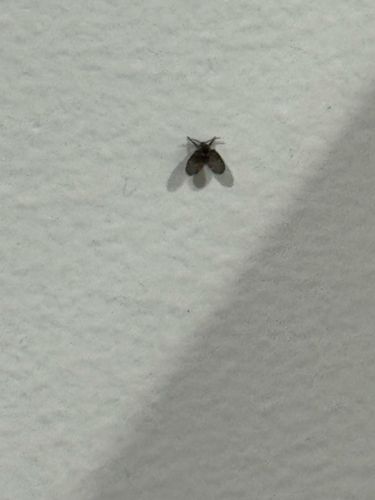
Drain Fly, Moth Fly, Filter Fly
Psychodidae (family)
- Order & Family
- Order: Diptera, Family: Psychodidae
- Size
- 1.5 to 5 mm (0.06 to 0.2 inches)
Natural Habitat
Drain flies primarily inhabit damp, stagnant environments rich in decaying organic matter. Common locations include bathrooms (drains, toilets, showers), kitchens (sinks, garbage disposals), basements, and areas with plumbing leaks or sewage issues. They are often found in the organic film lining drains and pipes.
Diet & Feeding
Adult drain flies feed on decaying organic matter, sewage, and microorganisms found in their breeding sites. Larvae feed on the organic sludge, fungi, and bacteria present in the moist environments they inhabit.
Behavior Patterns
Psychodidae flies are often seen resting on walls near drains, sinks, and other damp areas. They are weak fliers and tend to hop or run across surfaces. They are most active at night. Their larvae live in the organic matter found in drains and sewage systems.
Risks & Benefits
Potential Risks: Drain flies are generally considered nuisance pests. While they do not bite or transmit diseases directly to humans, they can carry bacteria and other microorganisms from their breeding sites to surfaces. In large numbers, they can be indicative of plumbing issues or excessive organic buildup. Potential Benefits: In natural environments, their larvae play a role in breaking down organic matter.