
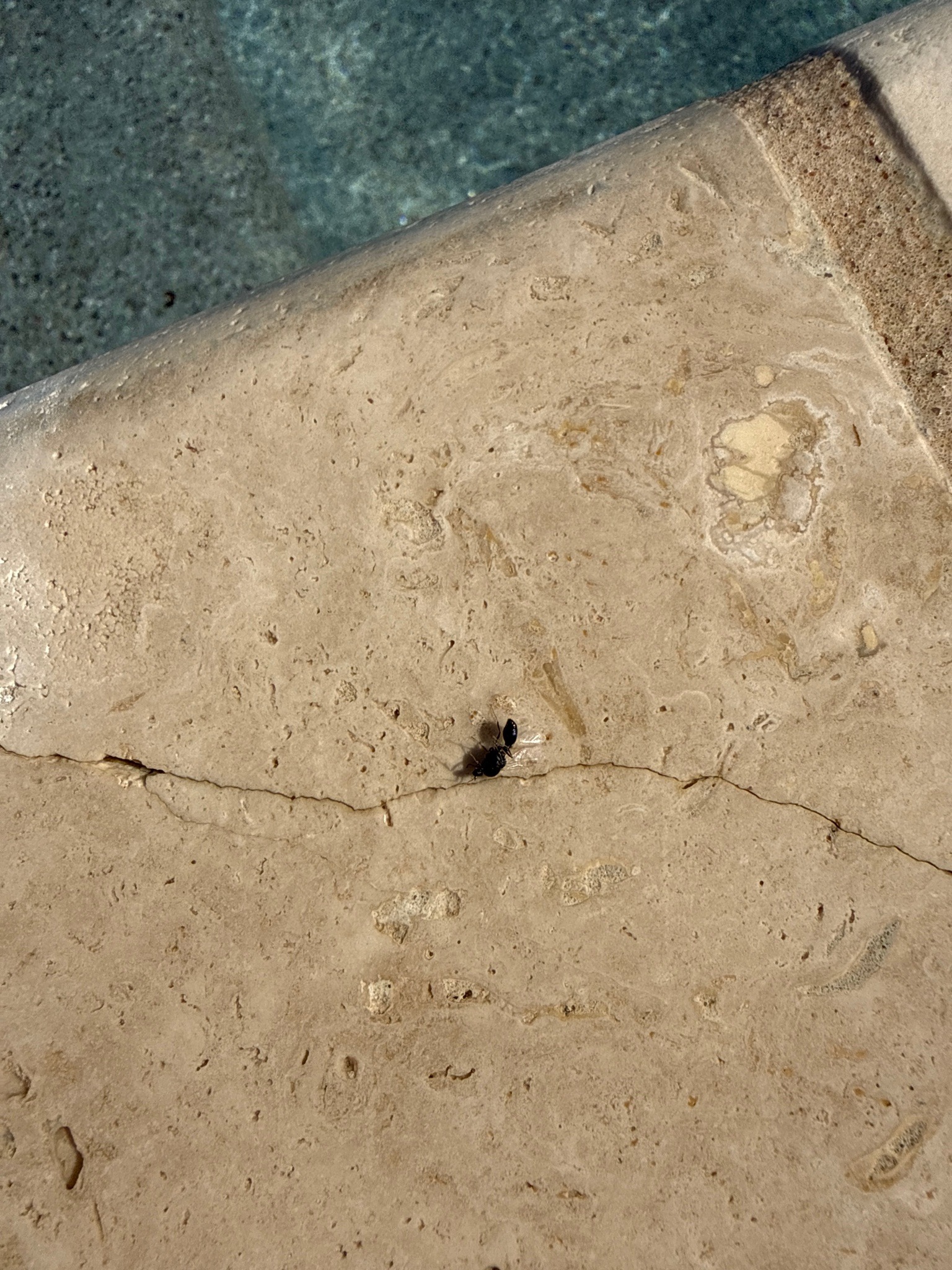
Community identification
Carpenter Ant
Camponotus ssp.
- Order & Family
- Hymenoptera: Formicidae
- Size
- 3.4 - 25 mm (depending on caste and species)
Natural Habitat
Woodlands, gardens, and residential areas; often nests in decaying wood, logs, or structural wood in buildings.
Diet & Feeding
Opportunistic omnivores; they eat honeydew produced by aphids, plant juices, and other insects. They do not eat wood, but excavate it to create nests.
Behavior Patterns
Highly social insects with a caste system (queen, workers, soldiers, and winged reproductives). Most active at night. They exhibit trail-following behavior and go through complete metamorphosis.
Risks & Benefits
Benefits include aeration of soil and decomposition of dead wood. Risks include potential structural damage to homes if nests are established in building timbers; they can also deliver a painful bite if handled, though they have no stinger.