
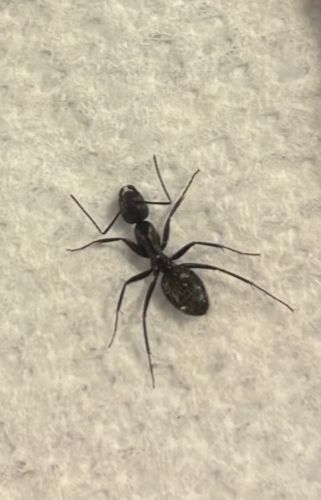
Carpenter Ant
Camponotus (a common genus for carpenter ants)
- Order & Family
- Order: Hymenoptera, Family: Formicidae
- Size
- Workers typically range from 6 to 12 mm (0.25 to 0.5 inches) in length, though queens can be significantly larger, up to 25 mm (1 inch).
Natural Habitat
Carpenter ants typically nest in wood, favoring damp or decaying wood. Common nesting sites include tree stumps, logs, firewood piles, and inside wooden structures of homes (e.g., walls, floors, attics), especially in areas with moisture problems.
Diet & Feeding
Carpenter ants are omnivores. They feed on a variety of foods including insect honeydew, plant and fruit juices, other insects, and household food items such as sweets, meats, and fats.
Behavior Patterns
Carpenter ants are social insects living in colonies. They excavate wood to create nests, but unlike termites, they do not eat the wood. They are most active at night when foraging for food. They often establish satellite colonies in warmer, drier locations.
Risks & Benefits
Potential risks include property damage due to excavation of wood for nesting, which can compromise structural integrity over time. They do not sting, but can bite, especially larger workers, though their bites are not typically harmful to humans. Benefits include their role as decomposers in natural environments, helping to break down wood material, and as predators of other insects.