
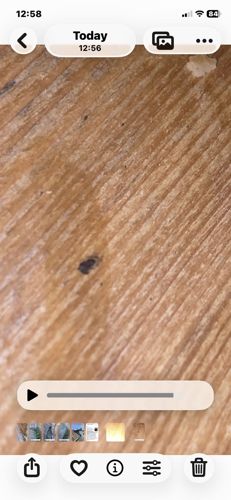
Community identification
Fruit Fly
Drosophila melanogaster
- Order & Family
- Order: Diptera; Family: Drosophilidae
- Size
- 3 to 4 mm (about 1/8 inch)
Natural Habitat
Commonly found in residential kitchens, restaurants, and grocery stores where ripened or fermenting fruits and vegetables are present.
Diet & Feeding
Larvae and adults feed on the yeast and liquids from fermenting organic matter, particularly overripe fruits and vegetables.
Behavior Patterns
They have a very short life cycle (about 8-10 days). Adults are attracted to light and the smell of fermentation; they are known for their rapid hovering flight patterns.
Risks & Benefits
Risks: They can contaminate food with bacteria and pathogens collected from unsanitary surfaces. Benefits: They are one of the most important model organisms used in biological and genetic research.