
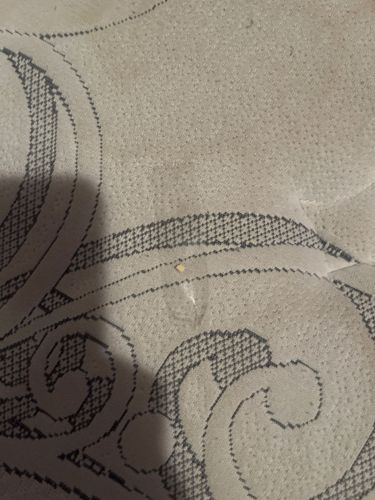
Community identification
Bed Bug (Nymph)
Cimex lectularius
- Order & Family
- Order: Hemiptera, Family: Cimicidae
- Size
- Nymphs are approximately 1.5 mm to 4 mm in length; they are smaller and lighter in color than adults.
Natural Habitat
Commonly found in residential dwellings, specifically in mattresses, box springs, and crevices near human sleeping areas.
Diet & Feeding
Obligate hematophages, meaning they feed exclusively on the blood of warm-blooded animals, primarily humans.
Behavior Patterns
They are nocturnal, emerging at night to feed. They undergo five nymphal stages, requiring a blood meal to molt into the next stage. They are known for hiding in tight cracks during the day.
Risks & Benefits
Risks include itchy skin welts, allergic reactions, and potential psychological distress or insomnia. They are not known to transmit diseases to humans but are considered a significant household pest. There are no ecological benefits in a domestic setting.