
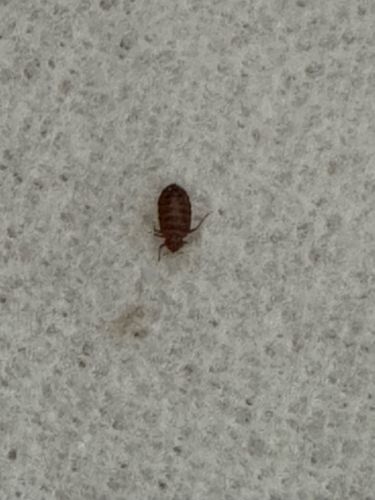
Bed Bug
Cimex lectularius
- Order & Family
- Order: Hemiptera, Family: Cimicidae
- Size
- Adults typically measure 4-5 mm (0.16-0.20 inches) in length, similar in size to an apple seed. Nymphs are smaller and translucent.
Natural Habitat
Found worldwide, bed bugs inhabit human dwellings, often in mattresses, bed frames, furniture, cracks in walls, and other sheltered locations close to their human hosts. They prefer dark, inconspicuous places.
Diet & Feeding
Strictly hematophagous, meaning they feed exclusively on the blood of warm-blooded animals, primarily humans. They pierce the skin with their elongated mouthparts and inject anticoagulants and anesthetics before drawing blood.
Behavior Patterns
Bed bugs are primarily nocturnal, feeding on humans (or other hosts) while they are sleeping. They are known for their secretive nature, hiding in cracks and crevices during the day. Females lay small, white, oval eggs in secluded locations, which hatch in about 1-2 weeks. Nymphs molt through five instars, requiring a blood meal between each molt to reach maturity. The entire life cycle, from egg to adult, can take from 2 months to over a year depending on temperature and food availability.
Risks & Benefits
Potential risks include itchy red welts from bites, which can lead to secondary skin infections from scratching. While not known to transmit diseases, their presence can cause significant psychological distress, sleep deprivation, and allergic reactions in some individuals. They offer no known benefits to humans or the ecosystem.