
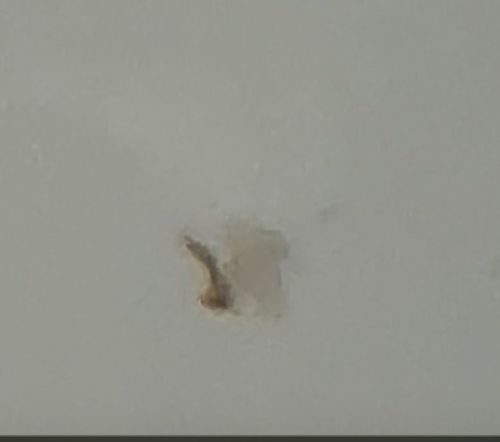
Community identification
Case-bearing clothes moth
Tinea pellionella
- Order & Family
- Order: Lepidoptera, Family: Tineidae
- Size
- Larvae/case: 8-10 mm; Adults: 9-16 mm wingspan
Natural Habitat
Indoor environments, particularly in dark, quiet areas like closets, under furniture, or in storage rooms where natural fibers are available.
Diet & Feeding
Larvae feed on items of animal origin containing keratin, such as wool, fur, silk, feathers, and hair. They do not eat synthetic fabrics unless blended with animal fibers.
Behavior Patterns
The larva constructs a portable silken case incorporating fibers from its food source, which it carries while feeding. They are photophobic (avoid light) and complete their entire life cycle indoors.
Risks & Benefits
They are serious household pests that can cause significant damage to rugs, clothing, and upholstery. They pose no direct health risk to humans but can be economically damaging to property.