
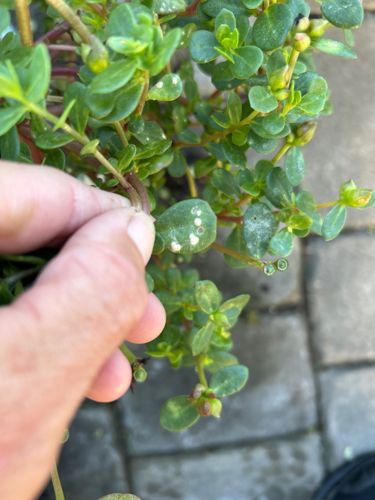
Mealybug
Pseudococcidae (a family of insects)
- Order & Family
- Order: Hemiptera, Family: Pseudococcidae
- Size
- Adult females range from 1 to 4 mm (0.04 to 0.16 inches) in length.
Natural Habitat
Mealybugs are common pests of many ornamental plants, fruit trees, and houseplants, both indoors and outdoors. They thrive in warm, humid conditions and are often found in greenhouses, nurseries, and botanical gardens.
Diet & Feeding
Mealybugs are sap-sucking insects. They feed on plant sap by inserting their stylets (piercing-sucking mouthparts) into the plant's phloem.
Behavior Patterns
Mealybugs typically move slowly and tend to cluster in protected areas, often on the undersides of leaves or in stem crotches. They secrete honeydew, a sticky substance, which attracts ants and can lead to the growth of sooty mold. They undergo incomplete metamorphosis (egg, nymph, adult).
Risks & Benefits
Risks: Mealybugs are significant agricultural and horticultural pests. Their feeding can cause stunted growth, leaf yellowing, wilting, and premature leaf drop. The honeydew they excrete serves as a substrate for black sooty mold, which can inhibit photosynthesis and spoil the appearance of plants. Severe infestations can kill plants. Benefits: There are no significant benefits associated with mealybugs.