
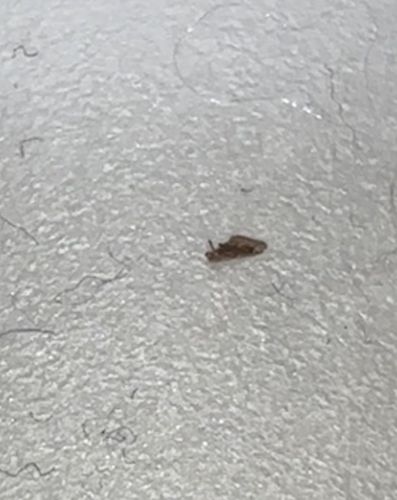
Dog Flea / Cat Flea
Ctenocephalides canis / Ctenocephalides felis
- Order & Family
- Order: Siphonaptera; Family: Pulicidae
- Size
- 1.5 mm to 3.3 mm (roughly 1/16 to 1/8 inch)
Natural Habitat
The fur of mammals (hosts) and indoor environments such as carpets, upholstery, and pet bedding where larvae develop.
Diet & Feeding
Adults are hematophagous (feed on blood from mammals and birds); larvae feed on organic debris and 'flea dirt' (adult fecal matter containing undigested blood).
Behavior Patterns
Fleas are wingless, laterally flattened jumpers that use powerful hind legs to leap onto hosts. They undergo complete metamorphosis (egg, larva, pupa, adult) and can remain dormant in the pupal stage for months until vibrations or carbon dioxide signal a nearby host.
Risks & Benefits
Risks include skin irritation (dermatitis), allergic reactions to saliva, and the transmission of diseases (like plague or murine typhus) or parasites (like tapeworms). They provide no significant benefits to humans and are considered a major domestic pest.