
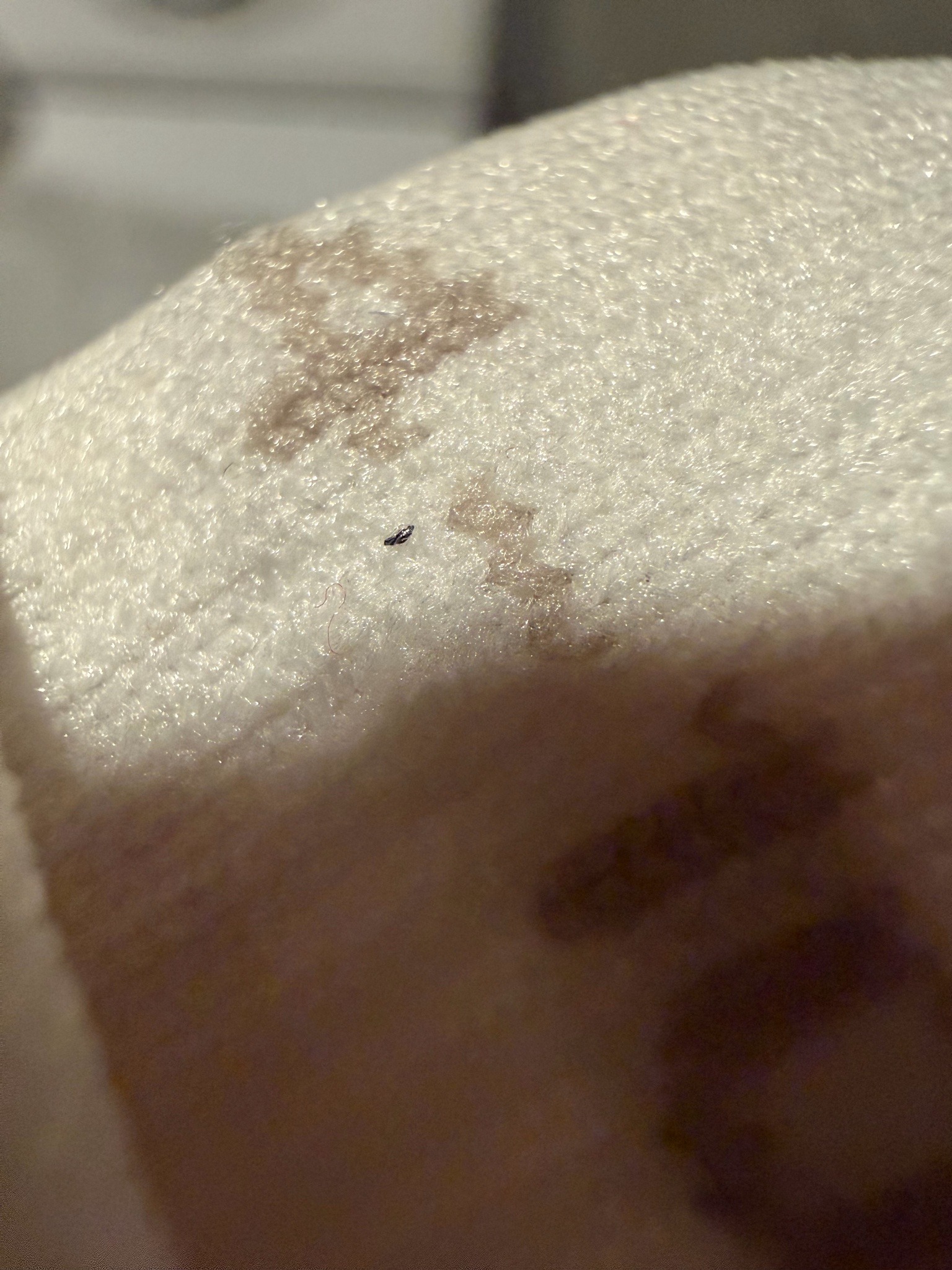
Flea
Ctenocephalides felis (Cat Flea) or Ctenocephalides canis (Dog Flea)
- Order & Family
- Order: Siphonaptera, Family: Pulicidae
- Size
- 1.5 to 3.3 mm in length
Natural Habitat
Found globally; adults live on the bodies of host animals (cats, dogs, wildlife, or humans); larvae reside in carpets, bedding, and floor cracks.
Diet & Feeding
Adults are obligate hematophages (blood-feeders), consuming blood from their hosts. Larvae eat organic debris, particularly adult flea feces (flea dirt).
Behavior Patterns
Fleas are wingless, laterally flattened insects that move easily through fur or clothing. They are renowned for their powerful jumping ability and undergo complete metamorphosis (egg, larva, pupa, adult).
Risks & Benefits
Risks include skin irritation, allergic dermatitis, and transmission of pathogens such as tapeworms or bacteria (e.g., Bartonella). They provide no known ecological benefits and are considered significant household and veterinary pests.