
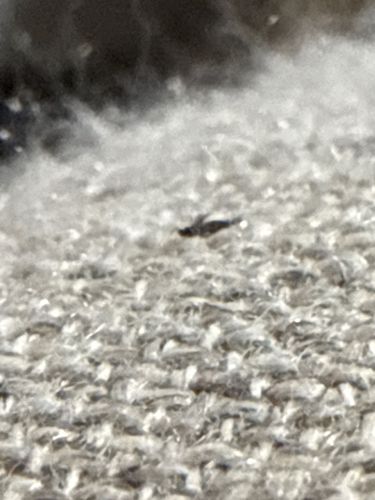
Thrips
Order Thysanoptera
- Order & Family
- Order: Thysanoptera, Family: Varies (e.g., Thripidae, Phlaeothripidae)
- Size
- Typically 0.5 to 2 mm in length.
Natural Habitat
Thrips are found in a variety of environments, including gardens, agricultural fields, greenhouses, and some species can also be found indoors on houseplants or entering homes from outside.
Diet & Feeding
Most thrips feed on plant sap, pollen, and fungal spores. They use their rasping-sucking mouthparts to puncture plant cells and then suck out the contents. Some species are predatory and feed on other small arthropods.
Behavior Patterns
Thrips are tiny, slender insects that are often hard to see with the naked eye. They are known for their fringed wings (if winged), which are narrow and have long hairs. They can jump or fly short distances. Many species reproduce rapidly, often through parthenogenesis (without a male), leading to quick population growth. They can be found on leaves, flowers, and fruits of plants.
Risks & Benefits
Risks: Many species of thrips are considered agricultural and horticultural pests. They can cause damage to plants by feeding, leading to distorted growth, silvering of leaves, and reduced crop yields. They can also transmit plant viruses. Benefits: Some thrips species are predatory and can help control populations of other small pests like mites. They also contribute to pollination by moving pollen between flowers.