
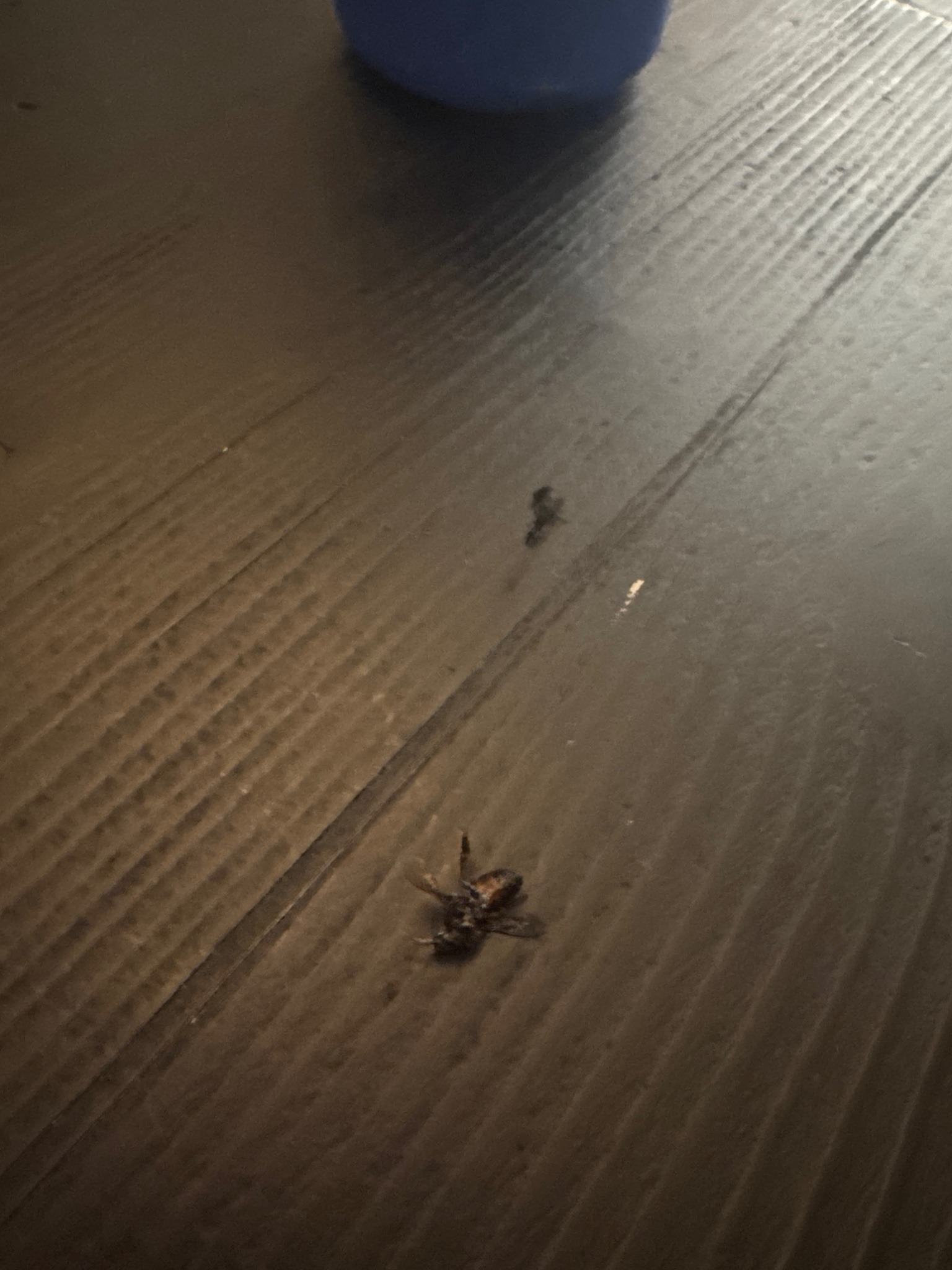
Community identification
Western Honey Bee
Apis mellifera
- Order & Family
- Hymenoptera: Apidae
- Size
- 12-15 mm for worker bees
Natural Habitat
Diverse landscapes including meadows, gardens, forests, and agricultural areas where flowering plants are abundant.
Diet & Feeding
Herbivorous; feeds on nectar and pollen from flowers, which they collect to feed the hive colony.
Behavior Patterns
Highly social insects living in complex colonies with a queen, drones, and worker bees; known for their waggle dance communication and honey production.
Risks & Benefits
Essential pollinators for ecosystem health and food security; they can sting if threatened, posing a risk of allergic reactions in some individuals.