
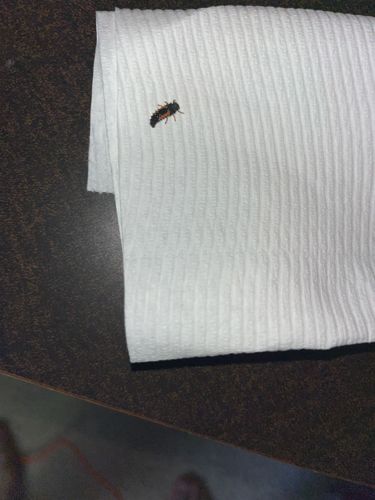
Ladybug Larva
Various species within the family Coccinellidae (e.g., Hippodamia convergens, Coccinella septempunctata)
- Order & Family
- Order: Coleoptera, Family: Coccinellidae
- Size
- Typically 4-10 mm (0.16-0.4 inches) in length, varying by species and developmental stage.
Natural Habitat
Commonly found in gardens, agricultural fields, meadows, and any areas where their prey (especially aphids) are abundant on plants. They live on leaves and stems of various plants.
Diet & Feeding
Primarily carnivorous, feeding on aphids, scale insects, mites, and other small, soft-bodied insect pests. They are voracious eaters.
Behavior Patterns
Ladybug larvae are predatory and actively hunt for soft-bodied insects like aphids. They are solitary and do not typically aggregate like adult ladybugs. They undergo complete metamorphosis, molting several times before pupating.
Risks & Benefits
Benefits: Ladybug larvae are highly beneficial as natural pest control agents in gardens and agriculture, significantly reducing populations of harmful plant pests like aphids. They pose no risks to humans or pets through biting or stinging. Risks: None known to humans or the environment.