
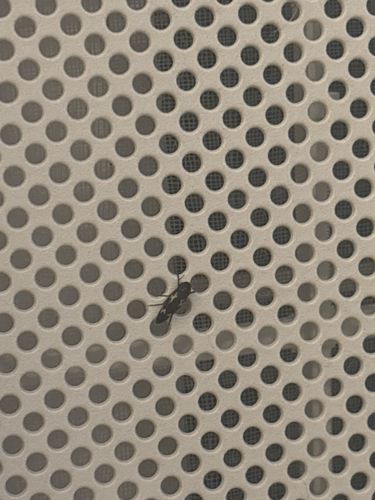
Fungus Gnat
Bradysia spp. (for Sciaridae) or various genera within Mycetophilidae
- Order & Family
- Order: Diptera, Family: Sciaridae or Mycetophilidae
- Size
- Typically 2-8 mm (0.08-0.31 inches) in length.
Natural Habitat
Fungus gnats are commonly found in moist environments. Indoors, they are often associated with potted plants due to the moist soil. Outdoors, they thrive in damp, shaded areas with decaying organic matter, such as compost piles, leaf litter, and areas with high humidity.
Diet & Feeding
Adult fungus gnats typically do not feed or feed on liquids like nectar. Larvae feed primarily on fungi, decaying plant matter, and sometimes the roots of plants, especially in moist soil.
Behavior Patterns
Adult fungus gnats are weak fliers and often seen crawling on surfaces or flying in short, erratic bursts, particularly indoors near potted plants. The larvae live in moist soil and feed on fungi and decaying organic matter. They are attracted to light but generally not strong fliers.
Risks & Benefits
Risks: Fungus gnat larvae can damage plant roots, especially young seedlings and stressed plants, leading to wilting, stunting, or even plant death. Adult gnats are primarily a nuisance, flying around lights and surfaces. They do not bite humans or transmit diseases. Benefits: In natural environments, fungus gnats contribute to decomposition by feeding on fungi and decaying organic matter, aiding in nutrient cycling. They can also serve as a food source for other insects.