
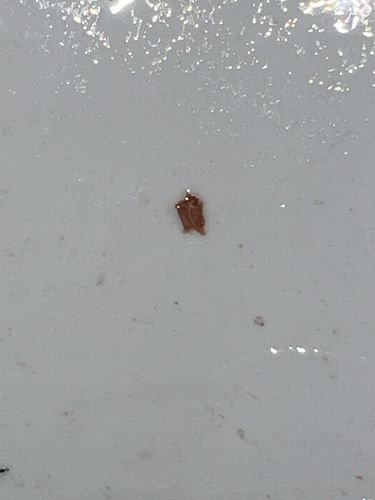
Dog Flea / Cat Flea
Ctenocephalides felis / Ctenocephalides canis
- Order & Family
- Order: Siphonaptera, Family: Pulicidae
- Size
- 1 to 2 millimeters (roughly the size of a pinhead)
Natural Habitat
Found on domestic cats and dogs, in household carpets, upholstery, pet bedding, and lawns where pets spend time.
Diet & Feeding
Obligate parasites; adults feed on the blood of mammals (primarily cats and dogs) while larvae feed on organic debris and 'flea dirt' (adult fecal matter).
Behavior Patterns
Fleas are wingless but are exceptional jumpers. They undergo a complete metamorphosis (egg, larva, pupa, adult). Adults spend most of their life on host animals laying eggs which then fall off into the surrounding environment.
Risks & Benefits
Risks include severe itching, allergic dermatitis, and the transmission of tapeworms or pathogens like Bartonella. In rare cases, they can transmit diseases to humans. They offer no notable benefits to ecosystems.