
Scabies Mite
Sarcoptes scabiei
- Order & Family
- Order: Sarcoptiformes, Family: Sarcoptidae
- Size
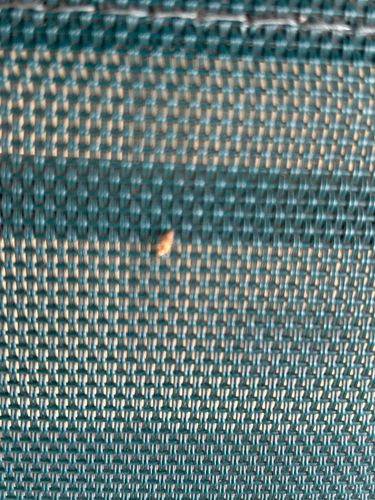
- Typically, adult mites are microscopic, ranging from 0.2 mm to 0.4 mm in length, making them barely visible to the naked eye as tiny, reddish-brown dots, as potentially seen in the image.
Natural Habitat
The primary habitat for scabies mites is the human skin, particularly in folds of skin like between fingers, wrists, elbows, armpits, and genitals. They can also briefly survive off a host in bedding, clothing, or furniture.
Diet & Feeding
Scabies mites feed on human skin, specifically on the stratum corneum (the outermost layer of the epidermis), and tissue fluids.
Behavior Patterns
These tiny arachnids are known for their ability to burrow into the skin of hosts, where they mate and lay eggs. The entire life cycle, from egg to adult, can be completed on the host. They are highly contagious and can spread through direct skin-to-skin contact or, less commonly, through shared items like bedding or clothing.
Risks & Benefits
Risks: Scabies mites cause an intensely itchy skin condition called scabies. This condition leads to rashes, skin lesions from scratching, and secondary bacterial infections. In severe cases or in immunocompromised individuals, it can lead to crusted scabies (also known as Norwegian scabies), a highly contagious and severe form. There are no known benefits of scabies mites to humans or the ecosystem.