
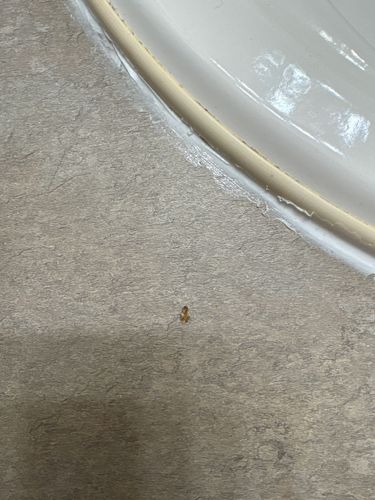
Booklouse
Psocoptera (various species)
- Order & Family
- Order Psocoptera, various families (e.g., Liposcelididae)
- Size
- 1-2 mm (some species can be up to 10 mm, but indoor species are usually smaller)
Natural Habitat
Damp, warm, and dark places with mold or starchy materials. Commonly found indoors in books, food pantries, under wallpaper, around window sills, and in bathrooms. Outdoors, they can be found in leaf litter, under bark, and on vegetation.
Diet & Feeding
Mold, fungi, starch-based materials (e.g., bookbindings, wallpaper paste, flour, cereals), insect fragments, and dead plant matter.
Behavior Patterns
Booklice are non-social insects, though they can be found in large numbers if conditions are favorable. They are typically nocturnal and avoid light. Most species reproduce parthenogenetically (without mating), and their lifespan is typically a few months. They move quickly but do not jump or fly (though some species have wings, indoor species are often wingless).
Risks & Benefits
Potential risks: Booklice are generally harmless to humans, not biting or transmitting diseases. However, they can be a nuisance when present in large numbers, and their presence often indicates high humidity and potential mold growth, which can be an allergen for some people. They can damage books, food products, and other starchy household items. Benefits: They play a role in decomposition in natural environments, helping to break down organic matter and fungi.