
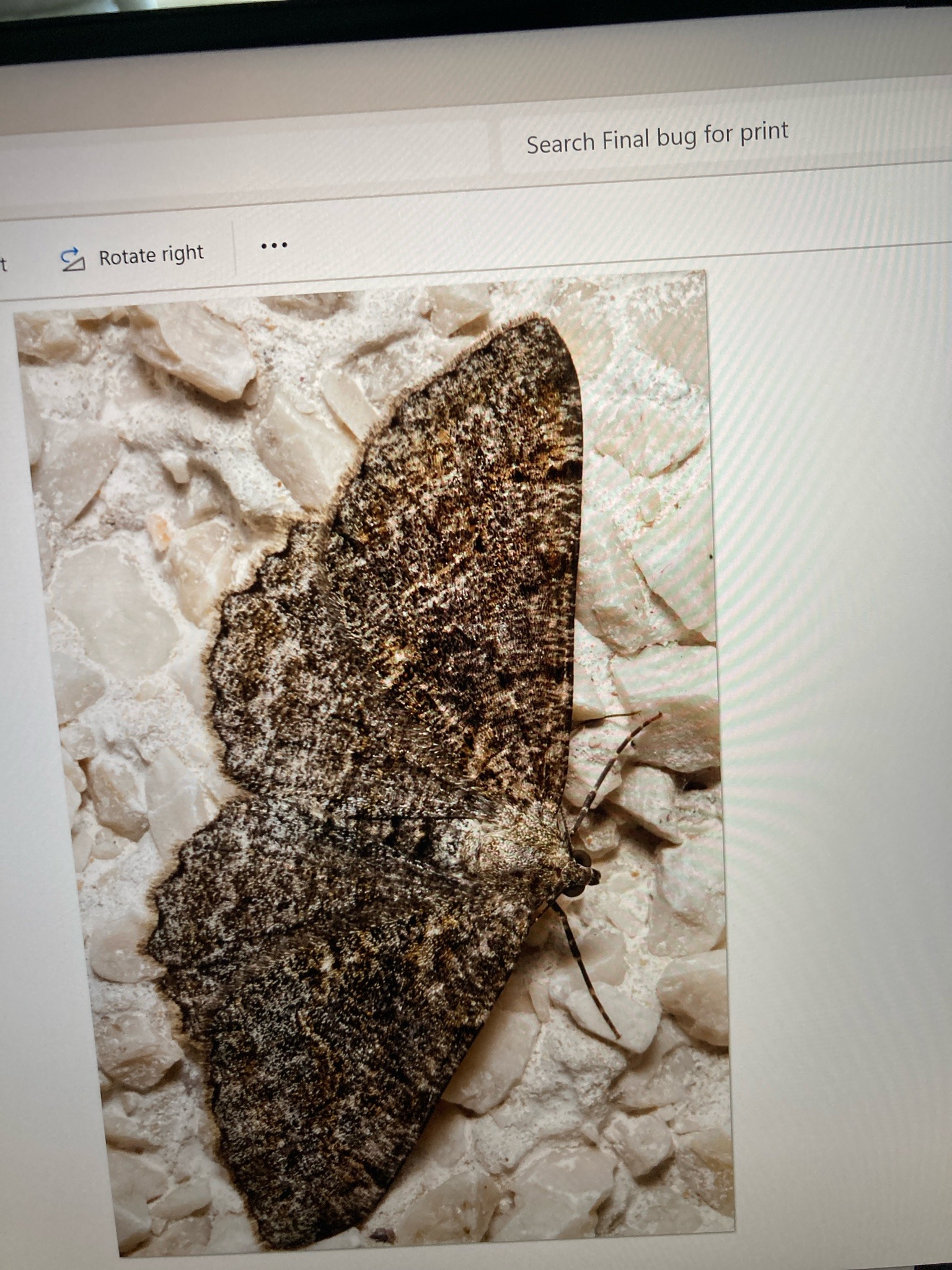
Community identification
Tulip-tree Beauty
Epimecis hortaria
- Order & Family
- Order Lepidoptera, Family Geometridae
- Size
- Wingspan typically ranges from 43 to 55 millimeters (1.7 to 2.2 inches).
Natural Habitat
Deciduous forests, woodlands, and suburban areas where host trees are present, primarily in the eastern North America.
Diet & Feeding
Adults feed on flower nectar. Larvae (caterpillars) feed on the leaves of tulip trees, sassafras, and magnolias.
Behavior Patterns
This moth is nocturnal and highly camouflaged to look like tree bark. It rests with its wings spread flat against surfaces to blend in. The larvae are 'inchworms' that use their cryptic coloring to hide from predators.
Risks & Benefits
No risk to humans; they are neither venomous nor aggressive. They benefit the ecosystem as pollinators and as a food source for birds and bats.