
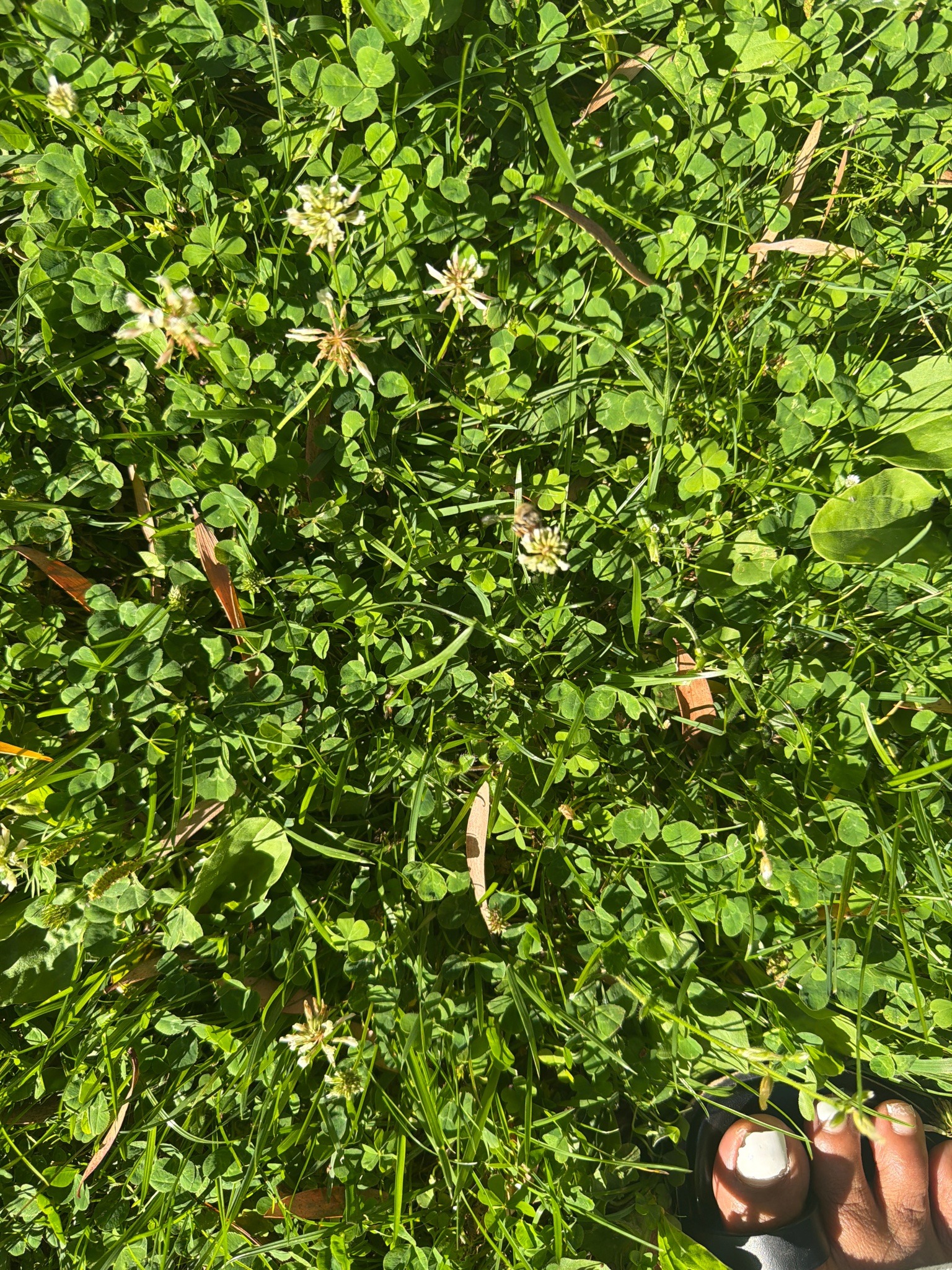
Honey Bee
Apis mellifera
- Order & Family
- Order: Hymenoptera; Family: Apidae
- Size
- Worker bees are typically 10 to 15 mm (0.4 to 0.6 inches) long.
Natural Habitat
Found in various habitats, including gardens, meadows, forests, and agricultural areas, as long as there are flowering plants nearby.
Diet & Feeding
Honey bees feed on nectar and pollen collected from flowers. Nectar provides carbohydrates for energy, while pollen provides protein and other essential nutrients.
Behavior Patterns
Honey bees are social insects that live in large colonies with a single queen, many worker bees (females), and drones (males). They communicate through complex 'dances' to inform colony members about the location of food sources. They are known for their honey-making process and their role in pollination.
Risks & Benefits
Benefits: Honey bees are crucial pollinators for many crops and wild plants, contributing significantly to global food security and ecosystem health. They also produce honey, beeswax, and other beneficial products. Risks: While generally not aggressive unless threatened, honey bees can sting, which can cause pain and sometimes severe allergic reactions in some individuals.