
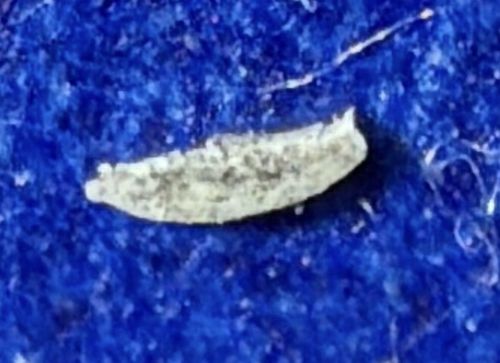
Casemaking Clothes Moth Larva
Tinea pellionella
- Order & Family
- Order: Lepidoptera, Family: Tineidae
- Size
- Typically 5mm to 10mm in length
Natural Habitat
Found indoors, typically in dark, undisturbed areas such as closets, drawers, or underneath furniture. They prefer locations with natural fibers like wool carpets, clothing, or stored fabrics.
Diet & Feeding
Feeds on keratin-rich animal fibers including wool, silk, fur, feathers, felt, and leather. They may also eat lint, hair, and pet dander.
Behavior Patterns
The larva spins a protective, flatten tube-like case made of silk and covered with fibers and debris from their environment (which helps camouflage them). They carry this case with them as they move and feed, eventually pupating inside it. They are photophobic and tend to hide from light.
Risks & Benefits
Risks: They are a significant household pest that causes irreversible damage to expensive clothing, rugs, carpets, and upholstery by chewing holes in the fabric. They do not bite or sting humans. Benefits: In a wild ecosystem, they act as decomposers of animal remains (feathers, fur), but offer no benefits in a home.