
Community identification
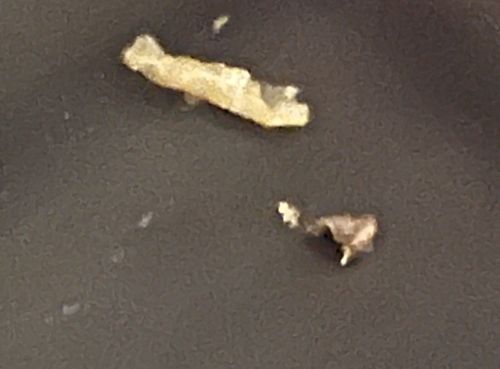
Casemaking Clothes Moth (larval case)
Tinea pellionella
- Order & Family
- Order: Lepidoptera, Family: Tineidae
- Size
- Case length: 8-10 mm; Adult wingspan: 9-16 mm
Natural Habitat
Indoor environments, particularly in dark, undisturbed areas like closets, pantries, and under furniture.
Diet & Feeding
Larvae feed on animal-derived fibers (wool, silk, fur, feathers) and occasionally stored plant goods like grains and tobacco.
Behavior Patterns
The larva spins a portable silken case incorporating fibers from its habitat as camouflage. It carries this case with it as it feeds and eventually pupates inside it. Unlike other moths, they prefer darkness and avoid light.
Risks & Benefits
Risks: Destructive household pest that can cause significant damage to clothing, carpets, and upholstery. Benefits: In the wild, they act as scavengers by breaking down keratin-rich organic materials like feathers and hair.