
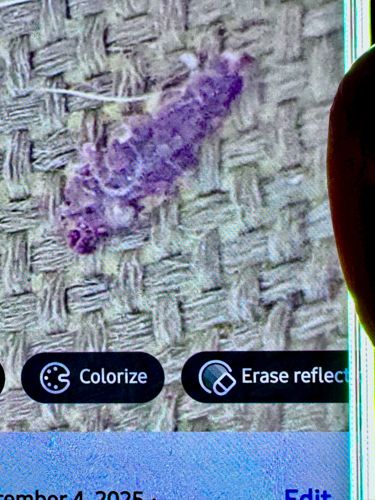
Mealybug
Pseudococcidae (family)
- Order & Family
- Hemiptera, Pseudococcidae
- Size
- Typically 1.5 to 5 mm (0.06 to 0.2 inches) long.
Natural Habitat
Found on a wide variety of plants, both indoors and outdoors, in warm and humid environments. They often congregate in sheltered areas such as leaf axils, undersides of leaves, or crevices on stems.
Diet & Feeding
Mealybugs are sap-sucking insects. They feed on plant sap by inserting their stylets (modified mouthparts) into the phloem of plants. This feeding can weaken plants and reduce their vigor.
Behavior Patterns
Mealybugs are often covered in a white, waxy, mealy secretion, which protects them from predators and pesticides. They tend to be slow-moving or sessile. Females lay eggs in a cottony ovisac, or give live birth to nymphs. They can reproduce rapidly under favorable conditions.
Risks & Benefits
Mealybugs are considered significant pests in agriculture and horticulture. They can cause stunted growth, leaf yellowing, plant distortion, and even plant death in severe infestations. They also excrete honeydew, a sticky substance that promotes the growth of sooty mold, further harming plant health. They have no known benefits to humans or ecosystems, instead being primarily detrimental as pests.