
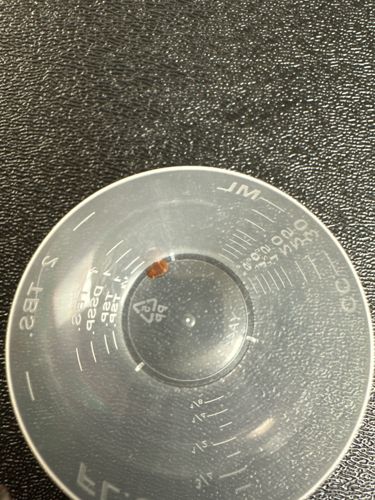
Bed bug
Cimex lectularius
- Order & Family
- Hemiptera: Cimicidae
- Size
- Adults are typically 4-5 mm long. They are oval-shaped and flattened from top to bottom.
Natural Habitat
Primarily found in human dwellings, hiding in cracks and crevices in and around beds, including mattresses, box springs, bed frames, and headboards, as well as behind wallpaper and in furniture.
Diet & Feeding
Obligate hematophagy, meaning they feed exclusively on blood. Their primary host is humans, but they will also feed on other warm-blooded animals. They are nocturnal feeders.
Behavior Patterns
Bed bugs are cryptic and nocturnal, hiding during the day and emerging at night to seek a blood meal from sleeping hosts. They are attracted to warmth and carbon dioxide. They can survive for several months without feeding.
Risks & Benefits
Risks: Their bites can cause itchy red welts, skin irritation, and allergic reactions in some individuals. They are a major nuisance and can cause significant psychological distress, anxiety, and insomnia. They are not known to transmit diseases to humans. Benefits: None; they are considered a public health pest.