
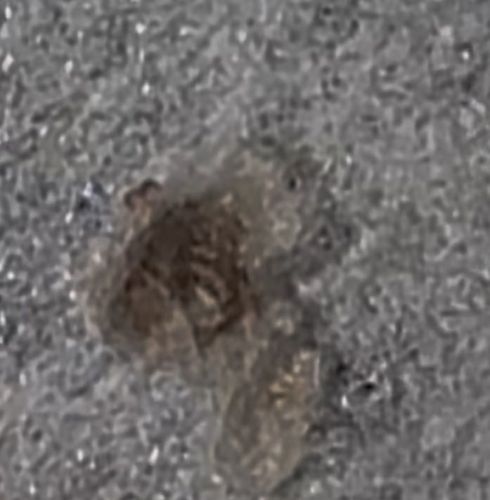
Community identification
Case-bearing Clothes Moth Larva
Tinea pellionella
- Order & Family
- Order: Lepidoptera, Family: Tineidae
- Size
- Larvae/case typically 5-10 mm long
Natural Habitat
Typically found indoors in dark, quiet areas like closets, underneath furniture, in carpets, or near stored fabrics like wool or fur.
Diet & Feeding
Larvae feed on keratin-rich animal fibers such as wool, fur, silk, feathers, felt, and sometimes pet hair.
Behavior Patterns
The larva constructs a portable, silken case around its body, incorporating fibers and debris from its environment for camouflage. It drags this case along as it moves and feeds, eventually pupating inside it.
Risks & Benefits
Risks: They are household pests that can cause significant damage to clothing, carpets, tapestries, and taxidermy. Benefits: None in a household context, though they play a minor role in decomposition of animal matter in the wild.