
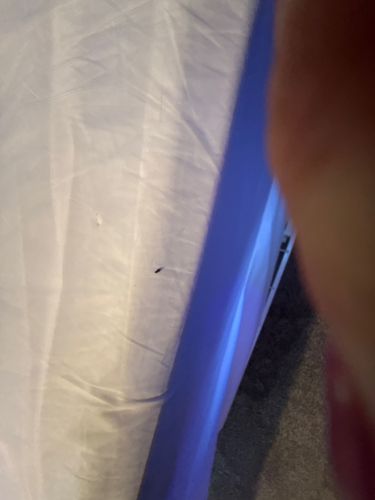
Bed Bug
Cimex lectularius
- Order & Family
- Order Hemiptera, Family Cimicidae
- Size
- Approximately 4 to 5 mm in length (about the size of an apple seed) for adults; nymphs are smaller and translucent.
Natural Habitat
Found indoors in high-occupancy areas; they typically aggregate in bed frames, mattresses, and furniture cracks within five feet of human sleeping areas.
Diet & Feeding
Obligate hematophagous (blood-feeders), primarily preferring the blood of humans but will also feed on other warm-blooded animals if a human host is unavailable.
Behavior Patterns
Nocturnal and elusive; they use carbon dioxide and body heat to locate hosts. They are highly resilient, capable of surviving for several months without feeding, and reproduce rapidly via traumatic insemination.
Risks & Benefits
Risks include itching, allergic reactions, secondary skin infections from scratching, and significant psychological distress or insomnia. They are not known to transmit diseases to humans. They provide no known ecological benefits in domestic environments.