
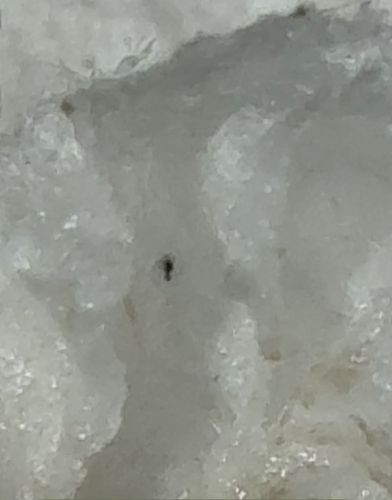
Community identification
Snow Flea (Springtail)
Hypogastrura nivicola
- Order & Family
- Order: Poduromorpha; Family: Hypogastruridae
- Size
- Approximately 1 to 2 mm in length
Natural Habitat
Typically found in leaf litter, soil, and moss during warmer months, but notable for appearing in large clusters on top of melting snow in late winter or early spring.
Diet & Feeding
They feed on decaying organic matter, bacteria, fungi, algae, and pollen trapped in the soil or on the snow surface.
Behavior Patterns
Known for their ability to jump or 'spring' using a tail-like structure called a furcula (though not clearly visible in every posture). They produce a specialized protein that acts as anti-freeze, allowing them to survive freezing temperatures.
Risks & Benefits
Harmless to humans and pets; they do not bite or sting. Provide ecosystem benefits by breaking down organic matter and enriching soil health.