
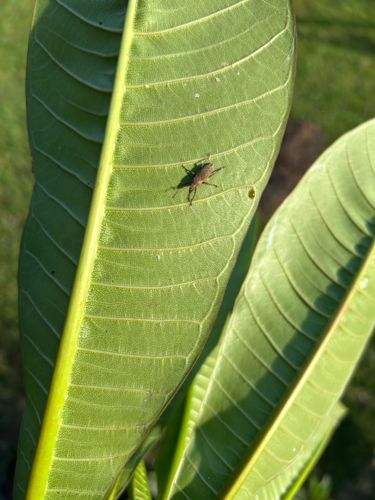
Weevil
Curculionidae (family)
- Order & Family
- Order: Coleoptera, Family: Curculionidae
- Size
- Most weevils range from 1 mm to 60 mm (approximately 0.04 to 2.4 inches) in length, though the majority are in the smaller range of a few millimeters.
Natural Habitat
Weevils are found in diverse habitats worldwide, including forests, agricultural fields, gardens, grasslands, and even stored grain facilities. Their habitat is largely determined by the availability of their preferred host plants.
Diet & Feeding
The diet of weevils is exclusively herbivorous. They feed on a wide variety of plant parts including leaves, stems, roots, seeds, fruits, and flowers. Different species specialize on different host plants and plant parts.
Behavior Patterns
Weevils are generally slow-moving insects. Many species are nocturnal or crepuscular, feeding at night and hiding during the day. Larvae are often found within plant tissues, such as stems, roots, or seeds. Adult weevils typically feed on foliage, stems, or fruits. Some species play dead when disturbed.
Risks & Benefits
Risks: Many weevil species are significant agricultural pests, causing damage to crops (e.g., cotton, corn, rice, various fruits and vegetables) and stored products, leading to economic losses. Benefits: Some weevils are used as biological control agents to manage invasive weed species. As herbivores, they play a role in plant community dynamics.