
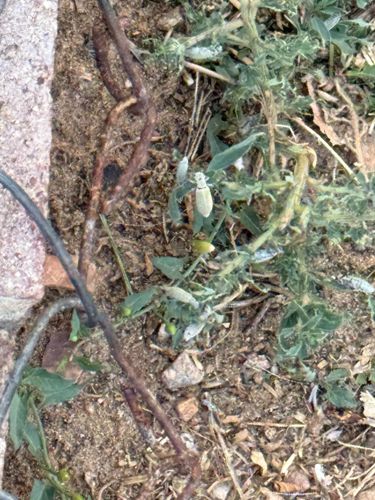
Glassy-winged Sharpshooter
Homalodisca vitripennis (formerly Homalodisca coagulata)
- Order & Family
- Hemiptera, Cicadellidae
- Size
- Approximately 12-14 mm (0.5-0.6 inches) in length
Natural Habitat
Found in various habitats, including agricultural areas, vineyards, orchards, urban landscapes, and natural riparian areas, especially where host plants are abundant. It thrives in warm climates.
Diet & Feeding
It primarily feeds on plant xylem fluid, drawing sap from a wide range of host plants including grapevines, citrus, almonds, and many ornamental plants. They extract large quantities of fluid due to the low nutrient content of xylem.
Behavior Patterns
Glassy-winged sharpshooters are highly active during the day, feeding on a wide variety of plants. They are known for their rapid, darting flight and for excreting large amounts of watery fluid (brochosomes) while feeding, which can leave a sticky residue on plants and surfaces. They undergo incomplete metamorphosis, with nymphs resembling smaller versions of adults.
Risks & Benefits
Potential risks: A significant pest in agriculture, particularly vineyards, as it is a major vector for the bacterium Xylella fastidiosa, which causes Pierce's disease in grapevines and other economically important plant diseases. There are no direct benefits of this insect to humans or the ecosystem, other than being part of the natural food chain for some predators.