
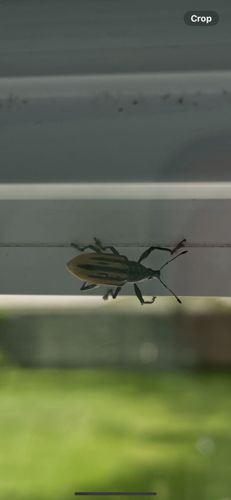
Cuban May Beetle or Cuban Green Weevil
Phyllophaga bruneri or Pachnaeus litus
- Order & Family
- Order: Coleoptera, Family: Curculionidae (Weevils)
- Size
- Approximately 12-19 mm (0.5-0.75 inches) in length
Natural Habitat
Found in tropical and subtropical regions, particularly in Florida and the Caribbean. They inhabit agricultural areas, orchards, nurseries, and urban landscapes where their host plants are present.
Diet & Feeding
Adults feed on the leaves of a wide variety of plants, including citrus, avocado, mango, ornamental plants, and various broadleaf trees. Larvae feed on the roots of these plants.
Behavior Patterns
Adult Cuban May Beetles are nocturnal and are attracted to lights. They emerge from the soil at night to feed. Larvae live in the soil and feed on plant roots. Adults can be found resting on host plants during the day.
Risks & Benefits
Risks: The Cuban May Beetle is considered a significant agricultural pest, especially to citrus and avocado crops, and various ornamental plants. Both adults and larvae cause damage, with adults defoliating plants and larvae damaging roots, leading to reduced plant vigor and yield. Benefits: In natural ecosystems with balanced populations, they contribute to the food chain.